Hey everyone, it’s Jake here, running that small-but-mighty textile machinery spare parts supply company you might’ve stumbled on around these parts. If you’re the person who’s ever had a loom sputter mid-batch or a printer roller die out right when you’re cranking out fabric for a client, you know two things: downtime costs you money real fast, and getting the right spare part to your door on time is non-negotiable. The last thing you want is waiting weeks for a part that’s holding up your entire production line. Today we’re talking about the actual transport methods we rely on every single day to get parts like gripper jaws, needle bars, and sensor mounts out to you—no stuffy jargon, just what works for textile spare parts specifically. Textile Machinery Spare Parts
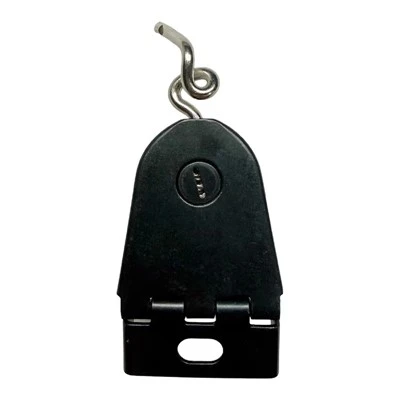
First off, let’s break down why textile machinery spare parts aren’t like your average package. Most of the parts we ship are small—think a few ounces to a couple pounds, sometimes a big bulky gear that’s 10 pounds max, nothing over 50 lbs usually. But they’re also pretty delicate, even if they look like just metal or plastic. A bent gripper jaw? That’s an immediate loom shutdown. A scratch on a precision sensor? It can throw off the entire printing process. So whatever transport method we pick, it’s gotta balance speed, safety, and cost, because we know small to mid-sized textile shops don’t have endless budgets for shipping.
Let’s start with the one we use most for regular, non-urgent parts: ground freight. This is the go-to for anything within 500 miles, right? No air, no customs, just a truck hitting the highway. For parts that aren’t time-sensitive—like replacement screws for a looms frame or a extra set of thread guides that you can stock ahead—ground is perfect. It’s way cheaper than air, no extra fees for next-day or two-day air, and with carriers like UPS Ground or FedEx Ground, it’s actually pretty reliable. I mean, we’ve had a few delays in bad weather, but that’s par for the course, and we just plan extra lead time for stuff like that. The only downside? If you’re in another state or coast to coast, ground can take 5-7 days, which is too long if your line is already down. That’s why we only use ground for routine stock you can plan for, not emergency orders. Oh, and another thing—ground is great for bigger parts, like a full set of printer rollers that’s too long or heavy for small air packages. We once shipped a set of 8-foot warp beam gears across the country on a standard freight truck, no problem, and it cost half what air would’ve.
Next, air freight for domestic orders, specifically expedited. If you’ve ever lost a part at 2PM on Friday and your line is dead on Monday morning, air is the move. We use UPS Next Day Air Safer or FedEx 2-Day for these, depending on how urgent it is. The speed is unbeatable—next-day to most US addresses, 2 days even to Alaska or Hawaii. And the best part? Small textile parts fit perfectly into their small-package air envelopes. A single gripper jaw or a replacement circuit board is just a 1lb package, so air freight is actually way more affordable than people think for small, urgent stuff. We charge a little extra for it, obviously, but our customers say it’s worth every penny when their line gets back up in 24 hours instead of 5 days. Just a heads up, though—air is way more expensive if you’re shipping bulk parts, like 50 sets of needle bars for a big mill order. For that, we usually go with ocean or LTL (less than truckload) sea freight, wait, no—wait, LTL is ground, right? Let’s clarify: bulk cross-country parts go LTL, bulk international go ocean. Got it, I’ll get that straight later.
Now, if you’re shipping internationally—like if you work with a mill in Mexico, Canada, or overseas—things get a little more complicated, but still manageable. For Canadian or Mexican orders, which are close, we use a mix of border ground carriers like UPS Cross-Border or FedEx Cross-Border. No customs headaches most of the time because it’s North America, and delivery is 3-5 days, which is way better than ocean. We ship a lot of thread tensioners and small sensor parts to textile shops in Tijuana and Toronto this way, no issues. For orders going to Europe, Asia, or anywhere across the pond, air freight is still the go-to for urgent stuff, but ocean freight is the way to go for bulk, non-urgent orders. If a big mill in Vietnam needs 200 sets of loom gears that can wait a month, ocean is half the cost of air, even if it takes 4-6 weeks. We always make sure to double-box parts for ocean shipping too—extra bubble wrap, moisture-resistant packaging, because a 6-week sea voyage can mean rain or humidity that messes with metal parts if they’re not sealed right. That’s a mistake we made once early on, shipped a batch of thread guides in regular cardboard, and they got rusted. Never again.
Wait, there’s another one we use a lot for emergency cross-border or domestic stuff: expedited courier services, same-day or overnight. If you’re in a pinch—your whole production line is down at 7PM on a Tuesday, you need a spare part immediately—we partner with local couriers in every major textile hub, like Greenville SC, which is basically the textile capital of the US, or Los Angeles, where there’s a ton of fabric shops. We can have a part picked up from our warehouse in an hour and dropped off at your shop the same day, even if it’s across the city. Obviously, this is the most expensive option, but it’s a lifesaver for when downtime is costing you hundreds an hour. Last month, a client in Charlotte had a loom break at 10AM, same-day courier got the gripper jaw there by 3PM, and they were back running by 5. He said he saved like $2,000 in lost production that day—totally worth the $150 courier fee.
I should also mention why we don’t use things like USPS Priority Mail, even though it’s cheap. USPS is great for letters or small stuff, but for precision textile parts, they tend to handle packages a little rougher, and we’ve had parts get banged up or lost before. One time, we sent a custom sensor through USPS, and it never showed up—took two weeks to file a claim, and the client was without a part for way longer than necessary. Now we stick to the big carriers (UPS, FedEx) and local couriers, even if it’s a little more, because reliability is everything when you’re dealing with production.
Also, packaging plays a huge role in transport, right? Like I said earlier, textile parts are delicate, but different transport methods need different packaging. For ground, we use standard bubble mailers or corrugated boxes with foam inserts, enough to keep the part from sliding around. For air, we use reinforced mailers so they don’t get crushed in the plane’s cargo hold. For ocean, we vacuum-seal small parts and wrap big ones in heavy-duty plastic to block moisture. And for same-day couriers, we just use extra-tough boxes so they don’t get thrown around the city while they’re being delivered. It’s not just about the shipping company—how we package the part makes just as much difference in it arriving intact.
Let’s talk about costs, too, because I know that’s a big deal for everyone. Ground is the cheapest, usually $10-$30 for a small part under 5 lbs, takes 2-7 days. Air expedited is $25-$75 for a small next-day part, way faster. Same-day courier is $100-$200, obviously the most expensive, but only for emergencies. Cross-border and international shipping is a little more: Canada/Mexico cross-border is $20-$50 for small parts, 3-5 days. International air is $50-$150 for small parts, 5-7 days. Ocean is $200-$500 for a 50 lb bulk order, 4-6 weeks. We always lay out all the options for our customers when they order, so they can pick what fits their budget and timeline—no hidden fees, no upselling you on stuff you don’t need.
Wait, has anyone here dealt with customs delays when shipping textile parts internationally? It’s the worst, right? We make sure all our international shipments have all the correct paperwork: commercial invoice, description of the parts, value, country of origin. That way, they don’t get stuck in customs for a week. We had that happen once a few years ago, shipped a batch of needle bars to a mill in Bangladesh, forgot to mark the parts as textile machinery spares instead of “metal parts,” and they got held up. Now we’re super careful with all the customs docs, because that’s a huge pain point for both us and our customers.
Let me wrap this up with what works best for different scenarios, so you don’t have to guess. If you need a routine part, can wait a week, pick ground. If you need a part in 1-2 days, no big emergency, pick expedited air. If your line is down today, same-day courier is your guy. If you need bulk parts from overseas and aren’t in a rush, ocean is the way to go. And whatever you pick, we package it right, no corners cut.
At the end of the day, our whole business is built on keeping your textile lines running. We know a broken loom isn’t just an inconvenience—it’s missed deadlines, angry clients, lost money. That’s why we don’t mess around with transport methods that are slow or flaky. If you ever need a spare part, whether it’s a single gripper jaw or a big bulk order, hit us up to chat about what shipping option works best for you. We’ll lay out all the costs and timelines, no surprises, and get the part to you as fast as it needs to be there.
Roving Frame Machine References:
- International Air Transport Association (IATA). 2024. Guidelines for Shipping Precision Industrial Parts via Air Freight.
- American Trucking Associations (ATA). 2023. Ground Freight Cost and Reliability Report for Industrial Small Packages.
- National Textile Association (NTA). 2022. Supply Chain Best Practices for Textile Machinery Spare Parts.
- World Customs Organization (WCO). 2023. Harmonized Commodity Description and Coding System for Industrial Machinery Spare Parts.
Shandong Hongye Machinery Co., Ltd.
Shandong Hongye Machinery Co., Ltd. is one of the most professional textile machinery spare parts manufacturers and suppliers in China, featured by quality products and low price. Please rest assured to buy advanced textile machinery spare parts in stock here and get quotation from our factory. Also, 1 year warranty is available.
Address: Room 1104, Building No. 2, Haier Yunjie, No. 99 Chongqing South Road, Qingdao, China
E-mail: sales@seavincn.com
WebSite: https://www.sdhymachinery.com/
