Hey there, Sunglasses
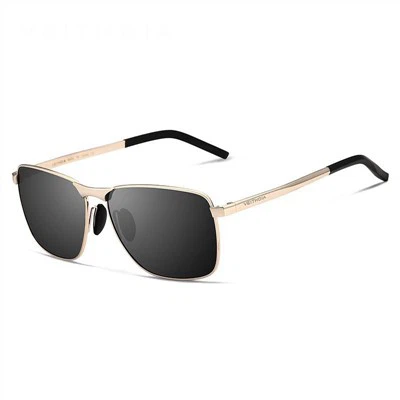
Let’s cut to the chase — if you’ve ever grabbed a pair of sunglasses just because they look cool for your OOTD (outfit of the day) or to squint less while driving on a bright summer day, you might’ve skipped that tiny label on the arm that says “100% UV protection” or “UV400.” But here’s the tea: that little line isn’t just marketing fluff. As someone who’s been in the sunglasses game for years — I’ve spent way too many late nights testing lenses, arguing with factories about specs, and fielding way too many questions from people who think sunglasses are just fashion accessories — I’m here to break down why UV protection isn’t optional. It’s non-negotiable.
First off, let’s get super basic about what UV even is. UV stands for ultraviolet radiation, right? It’s that invisible stuff that comes from the sun. You can’t see it, can’t feel it on most days, but it’s there, zapping everything in its path. There are three main types: UVA, UVB, and UVC. Luckily, UVC is mostly blocked by the ozone layer, so we don’t have to worry about that. But UVA and UVB? They’re the real troublemakers. Most people mix them up, so let’s clear that up fast. UVA is the one that penetrates deep into your skin and eyes — it’s the main culprit for premature aging, like wrinkles and that “leathery” look you get from too much time in the sun. UVB is the one that burns your skin, and it’s also the big player in eye issues like cataracts. Here’s the kicker: both of these rays can damage your eyes even if it’s cloudy, or if you’re driving, hanging out at the beach, or even sitting by a window. I’ve lost count of how many customers have told me “it’s overcast, so my eyes don’t need sunglasses” — newsflash: those rays still get through the clouds.
Now, what do sunglasses have to do with blocking this stuff? Let’s talk about how lenses work. Regular old tinted lenses (you know, the ones that come with cheap drugstore sunglasses) just reduce the amount of visible light getting into your eyes. They make it darker, so your pupils dilate. Wait a second — if your pupils are wider open, that means more UV radiation can get in, right? Oh, that’s a huge problem. So cheap sunglasses that don’t have UV protection are actually worse than no sunglasses at all. I’ve seen this happen so many times: someone buys a $5 pair from a gas station, wears them all day, and wonders why their eyes feel weird later. That’s because the tint is tricking their eyes into letting in more harmful rays without any defense.
Good sunglasses (and yeah, that’s the stuff we supply) have a UV coating embedded right into the lens material — not just sprayed on, which can wear off over time. The coating or treated lens filters out almost 100% of UVA and UVB rays. How does that work on a molecular level? UV radiation has a shorter wavelength than visible light, so the lens material is formulated to absorb or reflect those short wavelengths before they reach your eye’s cornea, lens, and retina. Let’s break down the eye damage for a sec, because this isn’t just about discomfort. Your eyes don’t have pain receptors like your skin, so you might not notice damage until it’s too late. Cataracts — that’s when the lens of your eye gets cloudy, and it’s one of the leading causes of blindness worldwide. Studies link long-term unprotected UV exposure to a 30-50% higher risk of developing cataracts. Then there’s macular degeneration, which affects the part of your eye that lets you see clearly straight ahead — super bad for things like reading, driving, or recognizing faces. Even things like eye cancer, like ocular melanoma, have been tied to too much UV exposure. I don’t know about you, but I’d rather spend a few extra bucks on a pair of sunglasses that protects my vision than deal with that down the line.
Wait, let’s address the fashion crowd, because I get it — you want sunglasses that look good, not just functional. I’ve heard so many people say “I’ll just buy fashion sunglasses and skip the UV part.” But here’s the thing: you can have both. We make tons of styles — retro cat-eyes, sporty wraparounds, sleek aviators — that all have full UV protection. You don’t have to sacrifice look for safety. In fact, most of the brands we work with design their frames so the lenses fit properly, meaning they block side rays too. If you get sunglasses with tiny lenses, like those tiny 90s style ones, they’re not going to block UV that comes from the sides or the top. That’s why we always tell customers to look for wrap-around or larger lenses when they want maximum protection.
Let me throw in a personal story here, because this stuff hits home. A few years back, my dad refused to wear sunglasses his whole life. He’d say “I don’t need ‘em, I don’t get headaches.” Last year, he went in for a routine eye exam and found out he had early cataracts. The doctor said it was from years of unprotected sun exposure — all those summers mowing the lawn without sunglasses, all those days at the beach where he just squinted. That moment made me double down on why we supply only sunglasses with solid UV protection. It’s not just about selling a product; it’s about making sure people don’t end up regretting skipping this basic step.
Now, let’s talk about common myths. I’ve heard “dark lenses mean more UV protection” — nope, that’s not true. A dark lens could be just a tint without any UV coating, which is worse than a clear lens that has UV protection. Another one: “polarized lenses are the same as UV protected” — no, they’re not. Polarization cuts down on glare, which is great for driving or being on the water, but it doesn’t automatically mean they block UV. You need to check the label for “100% UV protection” or “UV400” — that’s the gold standard, by the way. UV400 means the lens blocks all rays up to 400 nanometers, which covers all UVA and UVB rays. That’s the level we insist on for every pair we supply, no exceptions.
So, why does UV protection matter so much for everyone, not just people who spend all day outdoors? Even if you work in an office, you’re near windows that let in UV rays. If you’re a parent chasing kids around the park, that’s hours of exposure. Even when you’re on a flight, the higher altitude means more UV radiation. It’s not just for beach trips or hiking — it’s for every single day.
Now, I know a lot of you reading this are business owners, maybe boutique stores, online retailers, or even large retail chains, looking to stock sunglasses that customers will trust. That’s where we come in. We don’t cut corners on UV protection — every pair we source is tested by independent labs to make sure they meet UV400 standards. We know that when your customers buy sunglasses from you, they’re counting on you to give them something that looks good and keeps their eyes safe. That’s why we work hard to stay on top of the latest lens tech, so we can offer styles that fit every brand’s vibe while delivering that non-negotiable UV protection.
If you’re a buyer who’s been sourcing sunglasses and want to make sure your inventory is up to par, or if you’re just someone who cares about getting the right pair for your storefront, we’d love to chat. We can walk you through our product lines, show you test results, and answer any questions you have about UV protection, frame styles, or bulk ordering.

At the end of the day, sunglasses aren’t just an accessory. They’re a tool to protect one of the most important parts of your body — your eyes. Don’t settle for something that looks cool but leaves you vulnerable. Reach out if you want to stock quality UV-protective sunglasses, or if you just want to learn more about why this stuff matters. We’re here to help.
Men Eyeglasses Frames References:
- American Academy of Ophthalmology. (2023). UV Protection & Your Eyes.
- World Health Organization. (2022). Ultraviolet Radiation and Health.
- Centers for Disease Control and Prevention. (2021). Sun Protection: Eye Health.
Yiwu Finewell Eyewear Co., Ltd.
Yiwu Finewell Eyewear Co., Ltd. one of the leading sunglasses manufacturers and suppliers in China. We warmly welcome you to buy or wholesale discount sunglasses from our factory. All customized products are with high quality and competitive price. Contact us for more details.
Address: 8th Floor, Building B4, Digital Industrial Park, No. 1057 Liuqing Road, Beiyuan Subdistrict, Yiwu City, Zhejiang Province, China
E-mail: Mariayang@ywfinewell.com
WebSite: https://www.finewelleyewear.com/
