If you’re an e-bike owner, you know the frustration of a dead motor mid-commute, a wonky battery that won’t hold a charge, or brakes that feel off right when you need them. As someone who’s spent the last seven years supplying e-bikes to riders across the country, I’ve logged countless hours troubleshooting issues for customers—from casual weekend riders to daily commuters. E-bikes aren’t just regular bikes with a motor bolted on; they’re a mix of mechanical and electrical systems, so troubleshooting needs to be systematic, not guesswork. Over time, I’ve developed a step-by-step approach that works for almost every common issue, and I’m sharing it here so you can fix small problems yourself, or know when to reach out for professional help. Electric Bicycle
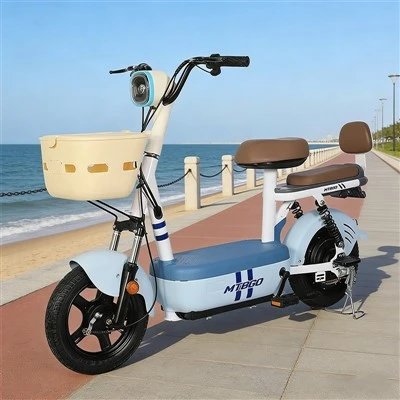
Let’s start with the basics: most e-bike issues fall into one of five categories—battery, motor, display/control panel, brakes, or electrical connections. I always tell new customers to start with the simplest checks first; 80% of the time, the problem isn’t a major component failure, just something loose or misadjusted.
Step 1: Diagnose the Battery (The Most Common Culprit)
I can’t tell you how many times a customer has emailed me saying their e-bike “won’t turn on,” only to find they forgot to charge the battery, or the key was turned wrong. The battery is the heart of your e-bike, so it’s always the first place to look.
First, check the charge level. Most modern e-bikes have a small LED battery indicator on the frame or the battery itself. If the LEDs are dim or unlit, plug the charger back in. Wait at least 10 minutes—some batteries take a little time to register a charge if they were completely dead. If the charger doesn’t show a solid green light (meaning fully charged), check the charger’s cable for frays or loose connections. I’ve seen customers yank the charger out of the wall too hard, damaging the power cord’s internal wires, which breaks the connection between the charger and the battery.
Next, check the battery’s physical connection. E-bike batteries are designed to be removable, so over time, the pins that connect the battery to the frame or motor can get dirty, corroded, or misaligned. Unclip the battery, wipe down the metal pins with a clean, dry cloth (even a small amount of dirt can block power), and make sure they’re bent straight. If the pins are bent, don’t try to bend them yourself—you can crack the battery casing. Send it to your supplier for a replacement part.
Another common battery issue: self-discharge. If you leave your e-bike unused for more than two weeks, the battery will naturally lose charge, and if it drops below a certain voltage, it can go into “protection mode” to prevent permanent damage. If your battery won’t turn on after a long break, plug it into the charger for at least 30 minutes—this usually kicks it out of protection mode. If that doesn’t work, it’s likely a worn battery; e-bike batteries typically last 3-5 years, depending on usage, so this is a normal part of ownership.
Step 2: Check Electrical Connections (The Hidden Loose Wires)
E-bikes have dozens of small wires running from the battery to the motor, display, throttle, and brakes. Vibration from riding over potholes can loosen these connections over time, so they’re the next thing to check after the battery.
First, find the main wiring harness, usually tucked under the frame near the bottom bracket. Look for any wires that are frayed, pinched, or pulled out of their connectors. A quick visual check can save you hours of guessing—once, a customer called me panicking because their motor cut out on their way to work, and we found a wire that had come loose from the throttle when they hit a curb. It’s a good idea to do a quick connection check every month, especially if you ride on rough terrain.
If you’re comfortable with basic tools, you can gently disconnect and reconnect the connectors to make sure they’re secure. Don’t yank on the wires themselves—hold the plastic connector, not the wire, when removing it. If you see corrosion on the connectors (usually a white, powdery buildup), clean it with a small amount of isopropyl alcohol and a cotton swab. Corrosion is common in humid climates, and it blocks electrical flow just like dirt.
Step 3: Troubleshoot Motor and Assist Issues
If the battery and connections are good, but the motor isn’t working, that’s the next area. Motor issues usually fall into two categories: no assist at all, or inconsistent assist.
If you’re not getting any assist, first check the assist level on your display. It sounds simple, but I’ve had customers accidentally bump the display and set it to “0” (no assist) without realizing it. Most displays have a + and – button to adjust levels, so make sure it’s set to at least 1.
If the assist is inconsistent, that’s often a sign of a damaged sensor. E-bikes use either a pedal assist sensor (PAS) or a throttle sensor, and both can wear out over time. The PAS is usually located near the bottom bracket or rear hub, and it measures how fast your pedals are turning to adjust motor power. If your assist cuts out when you’re pedaling, that’s almost always a PAS issue. The good news is, PAS sensors are relatively inexpensive and easy to replace, so you don’t need to replace the entire motor.
Throttle issues are a little different. If your throttle isn’t working, check the throttle’s connection first (same as the other electrical connections). If the connection is good, try cleaning the throttle: dirt and debris can get inside the throttle mechanism and prevent it from registering movement. You can spray a small amount of contact cleaner into the throttle (make sure it’s a non-flammable type, since it’s near electrical parts) and work the throttle back and forth a few times to clear out debris.
If you’re still having motor issues, it’s probably not a simple fix. Don’t try to take the motor apart yourself—they’re sealed units designed to be durable, and opening them can void your warranty. Bring it to a professional, or contact your supplier for support.
Step 4: Fix Display and Control Panel Issues
The display is your e-bike’s command center, so if it’s acting up, it can make the whole bike feel broken. Common display issues include a blank screen, flickering, or incorrect readings.
A blank screen is almost always a power issue—go back and recheck the battery and main connections first. If the screen is flickering, that’s usually a loose connection between the display and the main wiring harness. The display is mounted on the handlebars, so vibration from riding can loosen the cable behind it. You’ll need to remove the display (it’s usually held in by a few screws or a clamp) to check the cable connection. Make sure the cable is plugged in all the way, and the connector isn’t damaged.
Incorrect readings (like wrong speed, distance, or battery level) are usually a calibration issue. Most displays allow you to calibrate them through the settings menu—check your e-bike’s user manual for specific steps, since it varies by brand. If calibration doesn’t work, the display itself might be faulty, which is another part that’s easy to replace.
Step 5: Mechanical Issues That Feel Electrical
A lot of riders confuse mechanical issues with electrical problems. For example, if your e-bike feels sluggish, or the motor makes a grinding noise, that’s rarely an electrical issue—it’s usually a brake or drivetrain problem.
Brakes are a big one for e-bikes. If the motor cuts out when you squeeze the brake lever, that’s a safety feature called brake cut-off: when you apply the brakes, the motor should automatically stop to let you slow down safely. If that’s not happening, check the brake lever’s sensor connection. The sensors are small switches on the brake levers, and they can get dirty or loose. Wipe them down with a cloth, and make sure the lever is fully engaging the switch when you squeeze it. If the brake cut-off is working but your brakes feel squeaky or grabby, that’s a mechanical adjustment—you can tighten the brake calipers or replace the brake pads yourself if you’re comfortable, or take it to a bike shop.
Drivetrain issues can also feel like motor problems. If the chain is slipping, or the gears are shifting roughly, that can make the motor work harder than normal, and it might feel like the assist is inconsistent. Make sure your chain is clean and lubricated, and adjust the derailleur if needed. I tell customers to clean their chain every two weeks if they ride often, and lubricate it once a month—this goes a long way in preventing drivetrain issues.
When to Call in Professional Support
There are a few issues that you shouldn’t try to fix on your own, because they can be dangerous or void your warranty. If you notice smoke coming from the motor or battery, that’s an immediate safety hazard—turn off the power, disconnect the battery, and contact your supplier right away. Don’t try to use the bike until you’ve had it checked out.
Another red flag is unusual noises from the motor, like grinding, whirring, or clicking. That usually means there’s internal damage to the motor, and trying to take it apart can make the problem worse. E-bike motors are precision-engineered, so a professional has the tools and knowledge to diagnose and repair it correctly.
Also, if your e-bike is still under warranty, most repairs need to be done by a certified technician to keep the warranty valid. I always remind customers to save their receipts and warranty paperwork, because replacing a major component like a battery or motor can be expensive, and a valid warranty saves you a lot of money.
Final Tips to Avoid Future Issues
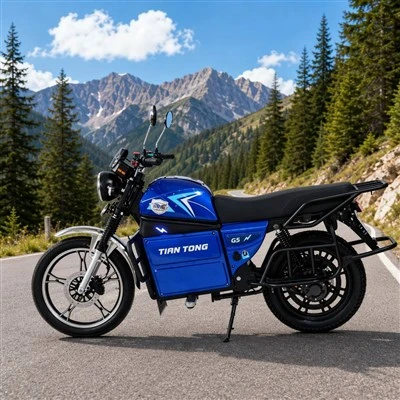
Troubleshooting is easier when you take preventative steps. I recommend doing a quick check of your e-bike every month: tighten loose bolts, clean the battery pins and connections, lubricate the chain, and check the tire pressure (underinflated tires make the motor work harder and wear out faster). If you store your e-bike for a long time, charge the battery to 50% (not fully charged, not empty) and store it in a cool, dry place—extreme heat or cold can damage the battery over time.
Electric Bike If you’ve tried all these steps and still can’t fix the issue, or if you just want to avoid the hassle, don’t hesitate to reach out for support. As an e-bike supplier, we’re here to help with everything from troubleshooting to part replacements, so you can get back to riding as quickly as possible. If you’re interested in purchasing a new e-bike, or need help with a repair for your current model, we’re ready to walk through your needs and find the right solution for you.
References
- Electric Bike Technologies. (2022). E-Bike Battery Maintenance and Troubleshooting Guide. International Journal of Sustainable Transportation.
- Cycle World. (2023). Common E-Bike Electrical and Mechanical Faults. Bicycle Industry Review.
- North American Electric Bicycle Association. (2021). Warranty and Safety Guidelines for E-Bike Owners. Consumer Safety Publication.
- Bicycling Magazine. (2022). How to Maintain Your E-Bike for Longevity. Active Transportation Research.
Hebei Xiaotianhang Bicycle Co., Ltd.
Hebei Xiaotianhang Bicycle Co., Ltd. is one of the most professional electric bicycle manufacturers and suppliers in China, also supports customized service and OEM service. Please feel free to wholesale bulk CE approved electric bicycle in stock here and get pricelist from our factory. Quality products and reasonable price are available.
Address: Xingye North Street, North of Economic Development Zone, Guangzong County, Xingtai City, Hebei Province
E-mail: nickie@hbxiaotianhang.com
WebSite: https://www.xiaotianhang.com/
