If you’ve ever stood in front of your oil-fired furnace, waiting for it to heat your home, only to watch it turn on and off in a matter of minutes instead of running through a normal cycle, you’ve encountered short cycling. It’s one of the most common complaints we get from homeowners when they reach out to our team as an oil-fired furnace supplier, and it’s not just an annoying inconvenience—it can drive up your energy bills, wear out your equipment faster, and even lead to costly breakdowns down the line. A lot of people brush it off as a minor quirk, but understanding why short cycling happens is the first step to fixing it. Let’s break down the science behind this issue, the most common causes, and when to reach out to a professional, all from the perspective of someone who’s spent years working with oil-fired heating systems. Oil-Fired Furnace
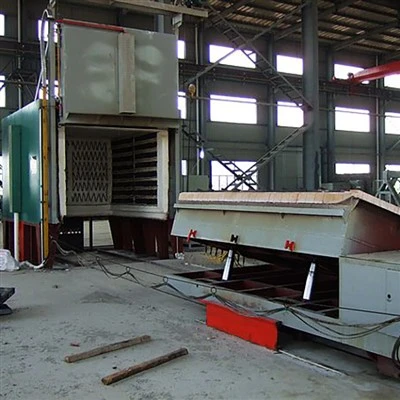
First, let’s make sure we’re on the same page about what short cycling actually is. A normal furnace cycle works like this: your thermostat detects that the home temperature is below your set point, it sends a signal to the furnace to turn on. The burner ignites, heats the air (or water, if you have a hydronic system) to the desired temperature, and once that’s achieved, the burner turns off, and the blower runs for a few more minutes to distribute the warm air before shutting off entirely. That full cycle usually lasts between 10 and 15 minutes, depending on the size of your home and the output of your furnace. Short cycling is when the entire on-off sequence takes less than 5 minutes—sometimes just 2 or 3. The furnace barely has time to warm the air before it shuts off, so your home never gets properly heated, and the repeated starts and stops put way more stress on every component than a steady, long cycle does.
As an oil-fired furnace supplier, I’ve seen short cycling affect systems of all ages, from brand new installations to ones that have run for 20+ years. Some causes are simple DIY fixes, while others require a professional tune-up or even adjustments to your system’s size or placement. Let’s start with the most common culprit, and it’s one that surprises a lot of homeowners: a mismatched furnace size. It might seem like a good idea to buy a furnace with a higher BTU output than you need, thinking it’ll heat your home faster, but that’s a mistake. A furnace that’s too large for your home will heat the air far quicker than it should, so it reaches the thermostat’s set point in just a few minutes instead of running through a full cycle. That leaves the blower no time to distribute heat evenly across all rooms, and it cycles on and off constantly. Conversely, a furnace that’s too small won’t heat your home at all, but wait—no, that’s not quite right. A severely undersized furnace will run non-stop, but if it’s just a little too small, it might short cycle because it can’t maintain enough heat to keep the burner running longer, especially if there are drafts or uninsulated spaces pulling cool air into the home. We see this all the time when homeowners replace an old furnace with a new, energy-efficient model without doing a proper load calculation to match it to their home’s square footage, insulation, and window quality. That’s why as a supplier, we always work with customers to confirm their load requirements before recommending a unit, not just push the biggest model we have.
Next, thermostat issues are another top reason for short cycling, and they’re often the easiest to spot. Thermostats have a “temperature differential” setting, which is the gap between when the furnace turns on and when it turns off. Most standard thermostats use a 1 to 2-degree differential, meaning if you set your thermostat to 70 degrees, the furnace turns on when it hits 69 and shuts off when it hits 71. If that setting is misadjusted—for example, someone set it to a 0.5-degree differential, which is a common manual error when programming a smart thermostat—it will cause the furnace to turn on and off constantly to maintain tiny temperature swings. Even a basic mechanical thermostat can have placement issues: if it’s mounted near a window, a heat vent, or a kitchen appliance that gives off warmth, it will get a false reading of the home’s temperature. The thermostat thinks the room is already warm enough, so it shuts the furnace off prematurely. We’ve had customers call us saying their new furnace is short cycling, only to find out their thermostat was mounted right next to a baseboard heater that kept it artificially warm. Moving it to a more central, wall-mounted spot (away from heat sources and drafts) usually fixes the issue right away.
Dirty or blocked components are another set of causes that build up over time with regular use, and they’re avoidable with routine maintenance. The most critical part here is the air filter. A clogged air filter restricts airflow to the furnace, so the blower has to work harder to pull air through, and if airflow is too low, the furnace’s high-limit switch— a safety device that turns off the burner if the heat exchanger gets too hot—triggers early. The high-limit switch is there to prevent overheating, but a dirty filter is one of the most common reasons it activates. When it shuts off the burner, the blower might still run, but the burner can’t reignite right away, leading to short cycles. We recommend changing your oil furnace’s air filter every 1 to 3 months, depending on how often you run the system, and that’s a rule we emphasize to every customer who buys a furnace from us. Another common dirty component is the flame sensor, which is a small rod that detects if the burner is lit. If oil residue or soot builds up on the flame sensor, it can’t properly detect the flame, so the control module thinks the burner has gone out and shuts it off prematurely, causing short cycling. That’s a simple fix: a professional can clean the flame sensor in 10 minutes during a tune-up. Even dirty heat exchangers can cause issues, though that’s a more serious problem—soot buildup reduces heat transfer, so the furnace overheats and triggers the high-limit switch, leading to repeated shutdowns.
Then there are issues with the oil system itself, which are unique to oil-fired furnaces, not gas models. Oil furnaces rely on a steady flow of oil to the burner, and if that flow is disrupted, it can cause the burner to ignite unevenly or burn inconsistently, leading to rapid shutdowns. Clogged oil lines, a faulty oil pump, or even low oil pressure can all make the burner turn off soon after igniting. Also, if you have an old oil tank that’s developed water inside it, that water can get pulled into the fuel line, causing the burner to sputter and shut down. Water in the oil supply is a common issue for homeowners who haven’t had their tank inspected in years; as oil breaks down over time, it separates from water, which sinks to the bottom of the tank. A professional can drain the tank and replace the oil if that’s the case, but we always advise customers to have their oil tank checked annually, especially as it nears the end of its 15 to 20-year lifespan. Another oil-specific issue is a bad fuel nozzle— the nozzle is what atomizes the oil into a fine mist that burns efficiently. If the nozzle is worn or clogged, the oil doesn’t burn completely, leading to incomplete combustion, more soot buildup, and the furnace shutting off prematurely. Replacing the nozzle during a tune-up is a simple fix that can eliminate short cycling.
One less obvious cause is ductwork issues. Your furnace’s ducts are responsible for carrying warm air to every room, and if there are leaks in the ducts, especially in unconditioned spaces like attics or basements, a lot of the warm air never makes it into your home. The furnace works harder to heat more air, but it can’t account for the lost air, so it reaches the thermostat’s set point faster than it should, leading to short cycles. Also, closed vents in unused rooms can cause uneven airflow, making the blower work against pressure build-up, which triggers the high-limit switch. We always tell customers to keep all vents open, even in rooms they don’t use often, to ensure proper airflow. If you have leaky ducts, sealing them with mastic or metal tape (not regular duct tape, which breaks down over time) can fix the issue, or adding insulation to ductwork in attics can help reduce heat loss.
Now, how do you know when to fix this yourself, and when to call a professional? Simple issues like checking your thermostat placement, changing your air filter, or making sure all vents are open are things you can do on your own. But if you’ve tried those and the short cycling is still happening, it’s best to reach out to a qualified HVAC technician, especially one who works with oil-fired systems. A technician can perform a load calculation to confirm your furnace is the right size, inspect the flame sensor and fuel lines, test the oil pressure, and check for high-limit switch issues or duct leaks. As an oil-fired furnace supplier, we don’t just sell units—we provide support to customers when they run into issues, and short cycling is one of the most common requests we get for technical guidance. If your furnace is under warranty, trying to fix complex issues like replacing the heat exchanger or adjusting the fuel pressure yourself could void the warranty, so it’s always better to let a professional handle that.
Left unaddressed, short cycling can lead to a lot of problems. The repeated starts and stops put extra wear on the blower motor, the burner, and the control module, which can cut your furnace’s lifespan by years. It also increases your energy use—because the furnace has to work harder during each start-up, and the consistent on-off cycles waste fuel. The U.S. Department of Energy estimates that short cycling can increase heating costs by as much as 30%, which is a huge expense for homeowners in cold climates. On top of that, incomplete combustion from a faulty burner or dirty components can release carbon monoxide into your home, which is a silent, deadly gas. If you notice other symptoms along with short cycling—like a yellow flame instead of a blue one, a smell of oil, or higher than usual CO levels in your home—you should evacuate and call a professional immediately.
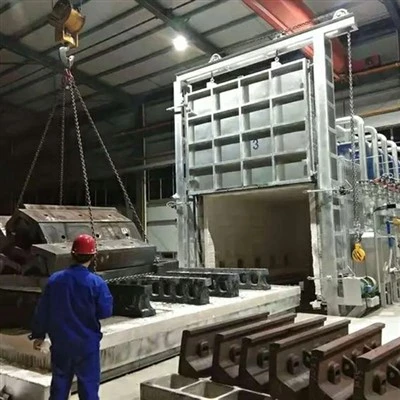
If you’re dealing with short cycling and you suspect your oil-fired furnace is the root cause, or you’re looking to upgrade to a new, more efficient model to avoid future issues, our team is here to help. We’ll walk you through diagnosing the problem, recommend the right maintenance or replacement solution, and answer any questions you have about oil-fired heating systems. Don’t let short cycling leave your home uncomfortable and your energy bills high—reach out to us today to connect with our team to discuss your heating needs.
Oil-Fired Furnace References
- U.S. Department of Energy. "Heating and Cooling Your Home." Energy.gov, 2024.
- National Oilheat Research Alliance. "Common Oil Furnace Troubleshooting Guide." NORA, 2023.
- Air Conditioning, Heating, and Refrigeration Institute. "Furnace Sizing and Efficiency Standards." AHRI, 2022.
- Environmental Protection Agency. "Indoor Air Quality and Carbon Monoxide Risks from Heating Systems." EPA, 2023.
- Consumer Reports. "Furnace Short Cycling: What It Is and How to Fix It." Consumer Reports, 2024.
Jiangsu Fangwei Furnace Industry Co., Ltd.
Jiangsu Fangwei Furnace Industry Co., Ltd. is one of the most professional oil-fired furnace manufacturers and suppliers in China. With abundant experience, we are committed to providing high quality customized products with competitive price. Please feel free to buy advanced oil-fired furnace made in China here from our factory.
Address: No.168, HuangNian Bridge, DaoShu Town, Danyang City, JiangSu Province, China
E-mail: fangwei@fwfurnaces.com
WebSite: https://www.fwfurnaces.com/
