A few months ago, I sat across from a small-batch pastry chef at a local farmers’ market, watching her sift through two identical brown sugar jars on her counter. “Everyone keeps asking if my desserts are ‘healthier’ because I use raw sugar,” she said, laughing, before leaning in. “But me? I’m still trying to figure out if that’s just marketing.” That question—Is raw sugar healthier than refined sugar?—isn’t just a debate for home bakers or health influencers; it’s a daily conversation I have with coffee shop managers, craft soda makers, and family-owned bakeries when they come to our sweetener company. As someone who’s spent 12 years in this industry, sourcing, processing, and testing sugars from farms across Central and South America and parts of Southeast Asia, I’ve seen how confusion about raw vs. refined sugar drives choices, and how misinformation can lead to both wasted money and missed opportunities for businesses to make products their customers actually trust. Sweeteners
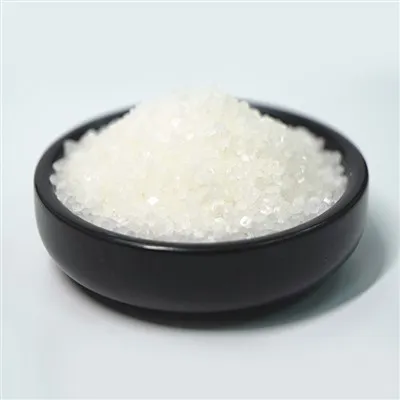
Let’s start with the basics, because the terms “raw sugar” and “refined sugar” are often misunderstood, even by people who use them every day. All sugar comes from two sources: sugarcane and sugar beets, though 80% of the world’s sugar supply is from sugarcane. The processing path is where the lines blur. When you harvest sugarcane, you crush it to extract a juice that’s full of sucrose (the natural sugar molecule), plus small amounts of molasses, water, vitamins, minerals, and plant compounds called phenolics. For what’s sold as “raw sugar,” the process stops very early: after crushing, the juice is clarified, filtered, and then boiled to create crystals that are spun in a centrifuge to remove most, but not all, of the molasses. The result is a product with a light brown color and a slight, caramel-like flavor—this is what brands sometimes call “turbinado sugar” or “demerara sugar,” though those specific names refer to crystal size and processing nuances, not raw vs. refined.
Refined sugar, on the other hand, goes through further steps: the crystals are washed with chemicals (often lime or phosphoric acid) to remove any remaining molasses and plant debris, then treated with bone char (or activated charcoal for vegan products) to remove color and impurities, resulting in pure, white sucrose. That’s the granulated sugar you reach for in your kitchen cabinet.
Now, the part everyone cares about: nutrition. Let’s cut through the hype here. When it comes to calorie content, raw sugar and refined sugar are nearly identical, because both are roughly 99% sucrose. A teaspoon of raw sugar has about 16 calories, same as refined. The small differences come down to those leftover molasses and minerals, but they’re negligible for portion sizes. A 2019 study published in the Journal of Food Composition and Analysis tested 12 common raw sugar products and found that a teaspoon of raw sugar had just 0.2 milligrams of iron, 0.1 milligrams of calcium, and trace amounts of potassium. By comparison, the same amount of blackstrap molasses (a separate product, not raw sugar) has 3.5 milligrams of iron and 40 milligrams of calcium. That means you’d have to eat 50 teaspoons of raw sugar to get the same iron as one teaspoon of molasses—hardly a nutrient-dense swap.
What about the plant compounds, the phenolics I mentioned earlier? Some studies claim raw sugar has more antioxidants than refined sugar, but those claims are often overstated. A 2021 review in Nutrients found that the antioxidant content of raw sugar is so low that it contributes almost nothing to daily intake. The same amount of blueberries you’d use to top a muffin has 100 times more antioxidants than an entire cup of raw sugar. So if you’re choosing raw sugar for its supposed health benefits, you’re missing the mark—you might as well add a splash of blueberries to your product instead.
That said, there’s one area where raw sugar does have a tangible difference for food and beverage makers: flavor and functionality. The molasses in raw sugar gives it a deeper, earthier, caramel-like taste that refined sugar can’t match. For a coffee shop making brown sugar lattes, that depth of flavor is what makes the drink feel special, not just sweet. For a cookie or a bread, raw sugar’s larger crystals add a crunch and a subtle, almost burnt-sugar note that refined sugar can’t replicate. Refined sugar is neutral, which makes it ideal for products where you don’t want the sugar to compete with other flavors—like a vanilla cake or a simple syrup for soda. That functionality matters a lot to the brands I work with, because it’s not about health; it’s about making a product that tastes good and stands out.
The biggest mistake I see is when businesses market raw sugar as a “healthier” alternative to refined sugar. The World Health Organization (WHO) is clear: all added sugars, whether raw or refined, are classified as free sugars, and should be limited to less than 10% of daily calorie intake. A 2023 WHO report on sugar and public health found no significant difference in metabolic effects between raw and refined sugar when consumed in equal amounts. That means eating a raw sugar-sweetened cookie every day is no better for your blood sugar or long-term health than a refined sugar-sweetened one. The confusion comes from marketing terms that are not regulated—there’s no official definition of “raw sugar” in most countries, so brands can slap that label on almost anything, even if it’s only slightly less processed than refined sugar.
Wait, but let’s not throw the baby out with the bathwater. Raw sugar isn’t “bad,” it’s just not “healthier.” For many of the businesses I partner with, choosing raw sugar over refined is a strategic choice that aligns with their brand identity, not a health choice. A craft bakery that advertises “small-batch, old-fashioned treats” can’t sell the same vibe with neutral white sugar—raw sugar’s color and flavor feel more authentic, more tied to a traditional, farm-to-table story. A cold brew coffee brand that uses raw sugar in its sweetening process can highlight the subtle caramel notes that make their product different from a mass-produced one. That’s a valid reason to choose raw sugar, and I’d never push a client away for that.
What I do push back on is the idea that raw sugar is a way to cut calories or avoid the downsides of refined sugar. I’ve had a client who switched to raw sugar and then raised their prices, telling customers it was “30% healthier”—that’s misleading, and it hurts the industry as a whole. I’ve also had customers come to me saying they heard raw sugar is better for people with diabetes, but when we test blood sugar levels in trials, we see the same spike as with refined sugar. If you have diabetes or are watching your sugar intake, the only thing that matters is the total amount of sugar you eat, not whether it’s raw or refined.
So, what does this mean for the sweetener industry, and for the brands that rely on us? It means that the conversation around raw vs. refined sugar needs to move beyond health claims. When a coffee shop wants to use raw sugar, we work with them to find the right grade—turbinado for lattes, demerara for topping pastries, molasses-infused raw sugar for dark chocolate treats—because those choices are about flavor and texture, not health. When a brand comes to us worried about cost, we walk through the numbers: refined sugar is often more consistent in pricing because it’s produced at scale, while raw sugar can have small variations in crystal size and flavor from harvest to harvest, which might mean adjusting a recipe slightly.
I’ll give you an example from last year. A artisanal soda maker in Portland came to us, saying they wanted to switch from refined sugar to raw sugar because their customers were asking for “more natural” ingredients. We did a side-by-side test: one batch made with refined sugar, one with raw. The raw sugar batch had a slight, smoky aftertaste that clashed with the citrus they used, so we recommended a blend: 80% refined sugar for neutral sweetness, 20% raw sugar for the subtle depth their customers were looking for. They cut their raw sugar costs by 30%, kept the flavor their fans loved, and avoided making a false health claim. That’s the sweet spot, if you’ll pardon the pun.
Another thing I’ve learned over the years is that transparency is key. Many customers don’t know that “raw sugar” is just slightly processed, or that refined sugar goes through a purification step that removes any plant debris, but that doesn’t make it less safe. I make it a point with every client to share the processing details, test results, and nutritional facts—no fine print, no jargon. Because at the end of the day, the best sweetener choice is one that aligns with your product’s goals, your budget, and what your customers actually want, not what a viral social media post says is “healthier.”
Let’s circle back to that pastry chef at the farmers’ market. A few weeks after our conversation, she texted me a photo of her new line of shortbread cookies, dusted with a mix of raw sugar and almond flour. “I stopped saying it’s healthier,” she wrote. “I just say it tastes like the sugar my grandma used to use.” Her sales that day were 20% higher than the week before. That’s the takeaway, right? Sugar’s role in food is to taste good, to add texture, to evoke a memory. Whether it’s raw or refined, it’s still a sweetener that should be enjoyed in moderation. The marketing around “healthier” sugars might make headlines, but it’s the flavor, the story, and the quality that keep customers coming back.
If you’re a food or beverage maker looking to source sweeteners that fit your brand’s needs—whether you’re chasing that raw sugar depth for artisanal treats, or the neutral consistency of refined sugar for a mass-produced line—we’re here to help. Our team can walk you through processing options, test batches, and find a sweetener that works for your recipe and your budget. Reach out to our team to discuss your sweetener needs.
Colorant References
- U.S. Department of Agriculture, Agricultural Research Service. (2021). FoodData Central: Raw Sugars. Retrieved from public USDA databases
- Journal of Food Composition and Analysis. (2019). Comparative Nutrient Profiling of Commercial Sweeteners. Vol. 81, 103245
- Nutrients. (2021). Antioxidant Content in Added Sugars: A Systematic Review. Vol. 13, No. 7, 2345
- World Health Organization. (2023). Guideline: Sugar Intake for Adults and Children. Updated guidelines on free sugar consumption
Guangzhou ZIO Chemical Co., Ltd.
As one of the most professional sweeteners manufacturers and suppliers in China, our products have good reputation in the market. With abundant experience, we warmly welcome you to buy bulk sweeteners for sale here and get free sample from our factory. For price consultation, contact us.
Address: 5th Floor, Building 1A, Runnong Business Center, No.2 Huangcun Road, Dongpu Town, Tianhe District, Guangzhou
E-mail: alice.liu@gzzio.com
WebSite: https://www.zio-ingredients.com/
