Hey guys, it’s Jake from [Your Company Name]—I know, I know, storing heavy ride-on rollers feels like trying to fold a giant fitted sheet after a long day on a job site. But trust me, I’ve seen way too many brand-new rollers get scratched, leaky, or even stop running early ’cause people skipped a few simple storage steps. As a supplier, I’ve helped hundreds of customers keep their rollers running smooth season after season, and today I’m breaking down exactly how to store yours so it’s ready to roll the second you need it next time. Ride-on Roller
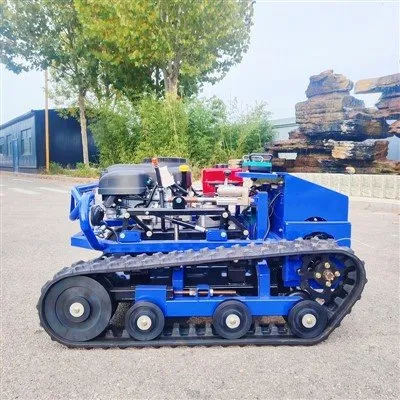
First, let’s get one thing straight: ride-on rollers aren’t like your lawnmower that you can just park in the back of the garage. They’re big, heavy, and have moving parts that don’t play nice with moisture or neglect. I’m talking about the full-size compactors, the mid-tier ones for parking lots, even the smaller walk-behind ride-ons (yes, those count too). Every single tip here is something I’ve tested with customers, not just something I read in a dusty manual. Let’s start with prep—you can’t just yank the key and walk away, that’s how you end up with a dead battery and a rusted frame next spring.
Step one: Do a deep cleaning, and I mean a deep cleaning. I know, you’re tired after a day of grading or compacting asphalt, but caked-on dirt, concrete residue, and even wet mud are enemies number one and two. Last month, a contractor brought in a roller that had sat all winter with half-dried asphalt on the drum—by spring, that drum was pitted so bad he had to replace it, which cost more than a month of rental fees. Here’s how I tell guys to do it: first, let the machine cool down completely—never spray a hot engine or hot drum with cold water, that’ll crack metal. Then grab a pressure washer (no super high pressure on the rubber parts, though—you’ll blow out hoses) and blast every nook: the drum, between the frame and the wheels, around the engine compartment, even under the seat. If there’s concrete stuck on, use a stiff wire brush (not a steel brush, that’ll scratch the drum) to loosen it before spraying. Once it’s clean, let it dry all the way—leave the hood up and the door open for a few hours, don’t just park it damp. Moisture is how rust starts, and rust is the worst thing for roller parts. Oh, and one quick tip: if you have any leftover hydraulic fluid or grease, wipe down the fittings while they’re still clean, that’ll prevent corrosion there too.
Next up, service it like it’s going in for a checkup, not just a nap. A lot of guys think, “I’ll just top off the gas when I use it next,” but old gas is a killer. If you’re storing your roller for more than 30 days, drain the old gas from the tank and the carburetor—you can also add a fuel stabilizer if you don’t want to drain it, but honestly, draining is cheaper and more reliable. I’ve seen stabilizer fail so many times it’s not even funny. Then change the oil and the oil filter—old oil has all kinds of gunk and acid that will sit in the engine and eat away at parts over months. Don’t forget the hydraulic fluid either: check the level and top it off if it’s low, because if there’s air in the lines, that can cause problems when you fire it up again. And for the drum? Give it a good inspection. If there are any small chips or scratches, sand them down and touch them up with roller-specific paint—unfinished metal will rust in a week if it’s sitting damp.
Then, the fun part: battery care. This is probably the most common mistake I see, even from guys who’ve been in the business for 20 years. You can’t just leave the battery in the roller while it’s in storage—especially if you’re storing it outside. First, disconnect the negative cable (that’s the black one, for anyone who’s new to this) so it doesn’t drain. Then, charge it up all the way—check the voltage with a multimeter, it should be around 12.6 volts if it’s fully charged. If it’s below 12, charge it before you put it away. Then, store the battery in a cool, dry place—never on concrete, that draws moisture. If you can, charge it every 30 days while it’s in storage; even a trickle charger works, just don’t leave it plugged in forever or you’ll overcharge it. Last year, a customer had a $800 battery fail because he left it on concrete all winter—don’t be that guy.
Now, positioning: where you park this thing matters a lot. If you have indoor storage, great—pick a flat, level spot (no slopes! That’ll mess with the fuel lines and the hydraulic fluid) away from other heavy equipment that could scratch the drum or the frame. Leave enough room around it so you can get to the engine, the battery, and the controls easily. If you have to store it outside (I know some job sites don’t have extra space in the yard), you need a heavy-duty, breathable cover—nothing flimsy from the hardware store, that’ll blow off in a wind or trap moisture. Make sure the cover fits tight, but not so tight it’s pressing on the rubber parts, and leave a little slack at the bottom so air can circulate. And whatever you do, don’t park it under a tree—sap, bird droppings, and falling branches will destroy your roller faster than anything. I had a customer once who parked his roller under an oak tree for two months in the fall; by the time he moved it, the sap was so caked on the drum it took 8 hours to clean off, and it left permanent stains. Not fun.
Wait, one thing about the drum and the wheels: if you’re storing it for more than a couple months, don’t leave the drum sitting on the ground. Put blocks under the frame and the wheels so the drum is suspended in the air. Why? Because if you leave the drum sitting on concrete or dirt for months, it’ll develop flat spots. That means when you start it up next spring, you’ll have a bumpy ride and uneven compaction, which is a nightmare for job sites. Trust me, I’ve had guys call me panicking because their new roller has a flat spot on the drum—they left it sitting on the ground all winter, and now they have to resurface it. Just block it up, it takes 10 minutes and saves you thousands in repairs.
Then, locking it up, literally. I don’t care if you’re in the safest job site in the world—big, expensive equipment attracts thieves. Make sure all the doors, hoods, and latches are locked, and even use a heavy-duty lock on the drum if you’re leaving it outside. Also, take any small, valuable parts—like the key fob, the radio, or the toolbox—inside with you. I’ve had a customer lose his key fob last winter, and it cost him $1,200 to replace it and re-program the entire system. Don’t be that guy.
Now, quick tips for short-term storage, like if you’re just putting it away for a week or two between jobs. You don’t need to drain the gas or change the oil, but still, give it a quick wipe down, disconnect the battery for a few days, and park it in a flat spot. Even a little bit of prep goes a long way.
Here’s the thing: I’m a roller supplier, not just a sales guy. I’ve been on job sites where a roller breaks down because of bad storage, and it delays a whole project, costs thousands in penalties. That’s why I tell all my customers that proper storage isn’t just about keeping your machine pretty—it’s about saving you money, time, and headaches. A little 30-minute prep when you’re done for the season is way cheaper than replacing a drum, a battery, or an engine next spring.
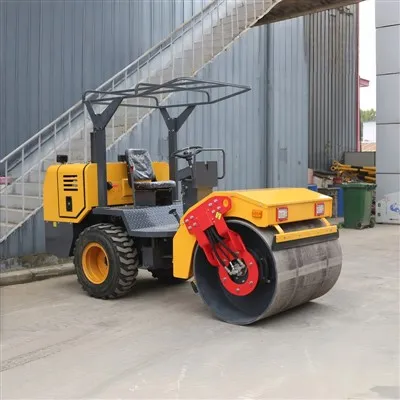
If you’re in the market for a new ride-on roller, or you have questions about maintaining the one you already have, hit us up anytime. We don’t just sell equipment—we help you keep it running, so you can focus on the work that matters. Don’t wait until your roller is dead in the spring to ask for help, reach out whenever.
Mini Dumper References:
- Construction Equipment Association. (2022). Storage Guidelines for Compact Construction Equipment.
- Caterpillar Inc. (2021). Ride-On Roller Maintenance and Storage Manual.
- John Deere Construction & Forestry. (2020). Seasonal Storage Best Practices for Compactors.
Jining Sunsail Machinery Co., Ltd.
With abundant experience, we are one of the most professional ride-on roller manufacturers and suppliers in China. We warmly welcome you to buy high-grade ride-on roller made in China here from our factory. For price consultation, contact us.
Address: Room 410, Digital Industry Building, Rencheng District, Jining City, Shandong Province,China
E-mail: Sunsail_machinery@163.com
WebSite: https://www.sunsailmachine.com/
