Hey everyone, it’s [Our Company Name]—your go-to supplier for all things fixed prostheses, and today we’re tackling a question I get at least twice a week from dentists, lab techs, and even a handful of patients who’ve done their own deep dive online: Do fixed prostheses actually need abutment teeth? Fixed Prostheses
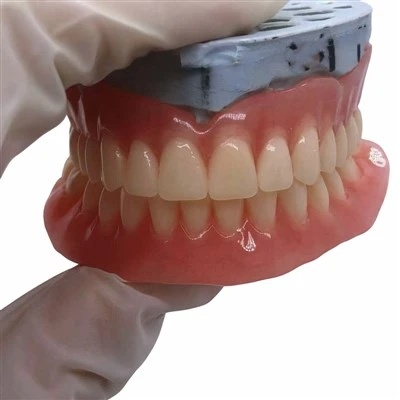
Let me cut to the chase first, because I know no one’s here to listen to a 5-minute intro before the real stuff. For most of the fixed prostheses we make at our shop, yes—abutment teeth are super important. But before you zone out and think that’s just the standard “we need to sell you parts” line, let’s break this down like we’re chatting over coffee (or during a quick clinic break, because I know how busy your days get). Abutment teeth aren’t just some random tooth we stick a crown on—they’re the foundation that keeps your fixed bridge, implant-supported crown, or partial dentive from wiggling, falling out, or causing pain down the line.
Wait, hold on—let’s start with basics so we’re all on the same page. Fixed prostheses, for those who might not be knee-deep in dental terms, are the non-removable restorations we use to replace missing teeth. Think: crowns for a single broken tooth, fixed bridges that span 2-3 missing teeth, implant-supported fixed full arches (the All-on-4 thing everyone’s talking about), or even fixed partial dentures that clip onto teeth. All of these are “fixed” because you can’t take ’em out without a dentist, unlike the removable ones you pop in at night. That fixed-ness is the whole point—they feel natural, function like real teeth, and don’t look like you have a fake smile.
Now, abutment teeth. What even are they? An abutment is basically the tooth (or, in implant cases, the implant itself—wait, hold on, that’s a key point!) that acts as the anchor for the prosthesis. Wait, I should clarify that early because there’s a common mix-up between natural abutments and implant abutments. A lot of folks hear “abutment” and only think of the natural tooth next to a gap, but implants have their own abutments too—they’re the screw-like part that connects the titanium implant post to the final crown or bridge.
Let’s go through each common fixed prosthesis type to make this concrete, because examples help way more than jargon. First, the fixed dental bridge—this is where the abutment thing is non-negotiable. A traditional fixed bridge is what you see most often for 1 or 2 missing front or back teeth. It works by grinding down the two natural teeth on either side of the gap (those are your abutment teeth) to fit crowns, then connecting the fake tooth (the pontic) between them. That entire unit is bonded permanently to the abutment teeth. Why? Because if you didn’t have those two solid anchoring teeth, the bridge would have nothing to hold it in. It’d twist, shift, and eventually fall out—or worse, put way too much pressure on the gum tissue under the pontic, leading to inflammation, bone loss, or even more tooth loss over time. I’ve had dentists reach out to us panicking because they tried a bridge without preping abutment teeth, and it failed in 6 months—total waste of time and materials for everyone.
Then there’s the implant-supported crown. That’s when you lose a single back tooth, pop an implant post into the jawbone, attach an implant abutment to that post, then cement the final crown onto the abutment. Wait, here’s where the “abutment” is an implant part, not a natural tooth—so does that count as an abutment tooth? No, technically, but the function is identical: it’s the anchor. The key difference here is you don’t need adjacent natural teeth, which is a huge plus for people who have gaps where the nearby teeth are already weak or decayed. That said, the implant itself is only a good anchor if the abutment is sized correctly, and it’s properly seated. I can’t tell you how many lab orders we get where the abutment is the wrong height, and the dentist has to call us because it doesn’t fit the crown—little things like that make all the difference for long-term success.
Now, what about the exceptions? Because no rule is 100% black and white, right? There is such a thing as a “toothless bridge” or a cantilever bridge, and wait—those don’t always need two abutment teeth? Let’s talk about cantilever bridges first. A cantilever bridge is used when the gap is only on one side, not two. Instead of anchoring to two teeth, it only anchors to one. So you prep one natural tooth as the abutment, then extend the bridge out over the gap, with just the one anchor. But even here, the single abutment tooth has to be strong—like, no weak, wobbly teeth here. And this type is almost never used for back teeth because of all the chewing force; it’s mostly for front teeth, where bite pressure is lower. I always tell our clients to be careful with cantilevers, though—if they overuse them, the single abutment tooth can wear down or break over time. It’s a specific case, not a one-size-fits-all.
Then there’s the all-on-4 or all-on-6 fixed full arch. That’s when you lose all your upper or lower teeth, and you place 4-6 implants, then attach a full fixed arch (looks just like a full set of teeth, non-removable). Wait a second—does this need abutment teeth? Here’s the thing: all-on-4 uses implant abutments, so in a way, the abutment is the implant itself, not natural teeth. But that’s still a fixed prosthesis, so the anchor requirement is met, just with implants instead of natural teeth. So in that case, you don’t need any natural abutment teeth, because the implants are the anchors. I’ve had patients come to our client dentists asking if they can skip implants and use natural teeth for a full arch, but that’s not possible—natural teeth can’t handle that much span without failing. So that’s another exception: if you’re doing an implant-supported full arch, no natural abutment teeth needed, because the implants are the anchors.
Wait, but let’s talk about why people even ask this question. I’ve had so many dentists reach out saying their patients are researching online and seeing conflicting info—some blogs saying “you don’t need abutment teeth” and others saying “you absolutely do.” Most of the time, that confusion comes from mixing up different prosthesis types. A lot of the “no abutment teeth needed” claims are referring to implant-supported restorations where the abutment is an implant part, not a natural tooth. So if someone says “fixed prostheses don’t need abutment teeth,” they’re either talking about implants specifically, or they’re leaving out the key detail that the abutment might be an implant, not a natural tooth. That’s a critical distinction, because if a dentist skips using an anchor entirely and tries to put a fixed bridge on gum tissue alone, that’s a recipe for disaster. It won’t last, it’ll hurt, and you’ll end up having to redo it way sooner than necessary.
Now, let’s get real about what happens when you skip proper abutment teeth. I can’t stress this enough, because I’ve seen it way too often. When a prosthesis doesn’t have a solid abutment (whether natural or implant-based), it puts uneven pressure on the surrounding gum and bone tissue. Over time, that causes bone resorption—meaning the bone under your gum starts to break down, because there’s no consistent, healthy anchor supporting the prosthesis. For natural abutment teeth, if they’re not prepped correctly (too much grinding, or not enough to distribute pressure evenly), they can crack, chip, or get cavities under the crown because the cement didn’t seal right. We had a client last month send back a batch of crowns because the dentist they were working with didn’t prep the abutment teeth properly, so the crowns wouldn’t seat right. That’s money out of everyone’s pocket, and more importantly, it’s bad for the patient.
Wait, but let’s circle back to the exceptions again, because I don’t want to mislead anyone. There’s one more case where you might not use natural abutment teeth: immediate load implants. Wait, no—those still use implant abutments, but sometimes the healing period is shorter. No, actually, the only time you don’t need natural abutment teeth for a fixed prosthesis is when you’re using implants as the anchors. For all other fixed prostheses—traditional bridges, fixed partial dentures for multiple missing teeth with adjacent natural teeth—abutment teeth are required. That’s not just our opinion as a supplier; that’s based on decades of dental research and clinical practice.
Let me also address a common myth I hear all the time: “Abutment teeth mean I have to grind down healthy teeth, which weakens them.” Oh, I get why that’s a concern—who wants to damage a healthy tooth for a fake one? But here’s the thing: when we prep abutment teeth for a fixed bridge, we’re not grinding down the entire tooth. We’re removing a thin layer of enamel (usually 1-2mm, which is way less than what’s removed for a filling) so the crown fits securely. A good dentist will use a temporary crown while the permanent one is being made, and with proper care, the prepared abutment tooth will last just as long as any other tooth. In fact, when done correctly, the crown protects the prepared tooth from decay and damage, which is a plus. I’ve seen patients keep their bridge abutment teeth for 20+ years—way longer than some fillings I’ve seen last.
Now, as a fixed prostheses supplier, we work closely with hundreds of dentists and lab techs, so I hear all the questions, all the horror stories, and all the wins. The bottom line, from what we see every day, is that fixed prostheses do require some kind of abutment—either a natural tooth (or teeth) for traditional bridges, or an implant abutment (part of the implant system) for implant-supported restorations. You can’t have a fixed prosthesis that’s properly supported long-term without that anchor point. The confusion comes from people not distinguishing between natural abutment teeth and implant abutments, which is why we always make sure our clients are clear on which they need based on the case.
Wait, but let’s make sure this is accessible for everyone, not just dental pros. If you’re a patient reading this, here’s the takeaway: if your dentist suggests a fixed prosthesis for missing teeth, they’re going to need a solid anchor to keep it in. That might mean prepping adjacent natural teeth (the abutment teeth) for a bridge, or placing implants (which have their own abutment parts) if you don’t have healthy adjacent teeth. Always ask your dentist to explain which type you’re getting, and why the abutment is needed—don’t be shy, you deserve to know what’s going into your mouth.
And for my fellow dental pros and lab teams out there: if you’re reading this, you know how crucial it is to get abutment sizing right. A bad fit on an implant abutment, or a poorly prepared natural abutment, is one of the top reasons fixed prostheses fail in the first year. That’s why we’ve made it our mission to stock every type of abutment—implant abutments for all the major brands, natural abutment prepped crowns, cantilever bridge components, you name it—with consistent, high-quality materials so you don’t have to deal with returns or fits that are off.
Now, let’s talk about next steps. If you’re a dentist, lab tech, or clinic manager, and you’re working on a case where you’re wondering about abutment teeth for a fixed prosthesis, or you need parts—any parts—for your next fixed prosthetics job, hit us up to chat. We don’t do generic, one-size-fits-all parts, and we don’t push products you don’t need. We’ll walk through your case, recommend the right abutment type, answer any questions you have, and make sure you get the parts on time so you don’t delay patient appointments. No pressure, no salesy lines, just straight talk about making sure your fixed prostheses work for both you and your patients.
Before I sign off, I want to make sure we didn’t miss anything important. Oh—what about a fixed partial denture for someone who has some missing teeth but not all? Same rule: if it’s fixed, it needs an abutment. Usually natural teeth on either end of the gap, unless you’re using implants as the abutments. That’s consistent across the board.
The big takeaway that I want everyone to remember, whether you’re a pro or a patient: fixed prostheses are only as good as their anchors. Abutment teeth (or implant abutments) aren’t just a requirement—they’re what make fixed restorations last, feel natural, and work like real teeth. Skipping them, or cutting corners on their quality, is a mistake that leads to more work, more costs, and more unhappy patients.
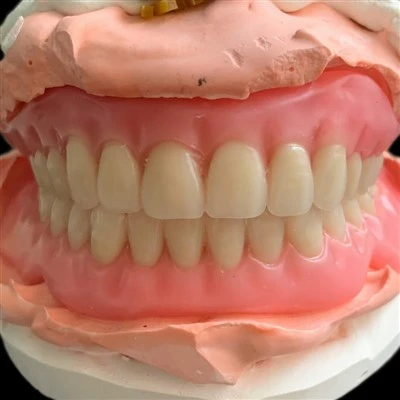
Alright, that’s my two cents for today. If you have more questions, or you need to order abutments, crowns, bridges, or any other fixed prostheses parts, just reach out—we’re here to help. And hey, if you ever want to geek out more about dental prosthetics, hit us up anytime.
Removable Prostheses References:
- Misch CE. Contemporary Implant Dentistry. 4th ed. Elsevier; 2021.
- Rosenstiel SF, Land MF, Fujimoto J. Contemporary Fixed Prosthodontics. 6th ed. Elsevier; 2020.
- Wright PS, et al. Long-term survival of fixed dental prostheses: A systematic review. J Prosthet Dent. 2018;119(3):364-371.
- American Dental Association. Fixed Prosthodontics Guidelines for Clinical Practice. 2022.
Shenzhen Tuomei Dental Technology Co., Ltd.
We are one of the most professional fixed prostheses manufacturers and suppliers in China, featured by quality products and low price. Please rest assured to buy discount fixed prostheses made in China here from our factory. Welcome to view our website for more information.
Address: Room 301, Building C Fuhe Industrial Park No.18 Hexiu West Road, Zhancheng Community Fuhai Subdistrict, Bao’an District, Shenzhen, Guangdong, China
E-mail: dentallab.works@gmail.com
WebSite: https://www.sztuomeidentallab.com/
