When I’m out at a neighborhood backyard cookout or walking through a local restaurant supply showroom, one question I get asked almost every day from small café owners, party planners, and even fellow suppliers is: “Which round plate gives me the best bang for my buck?” As someone who’s spent the last 12 years working with round plates—helping restaurants stock their dining rooms, equipping caterers for big events, and working with homeowners who need durable, reliable plates for regular use—I’ve seen firsthand that cost-effectiveness isn’t just about the sticker price. It’s a mix of upfront cost, durability, how it holds up through daily use, and even how it impacts your bottom line in the long run. Round Plates
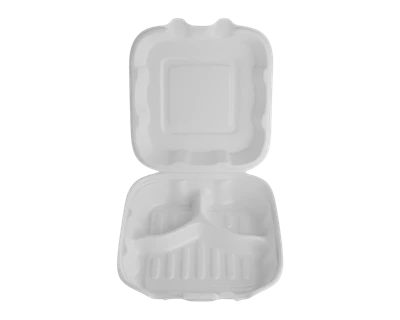
Let’s start with the most common type of round plate we carry: melamine plates. If you’ve ever grabbed a plate for a pool party or a fast-casual restaurant that serves comfort food, you know melamine. For a long time, it’s been the go-to for budget-focused buyers, and there’s good reason for that. Upfront, a basic melamine round plate costs anywhere from $1.20 to $2.50 per piece, depending on the size and finish. When you’re outfitting a 40-seat diner, that’s a big draw: 40 plates at $1.50 each is $60 total, which is a lot easier on a new business’s budget than pricier ceramic options.
But cost-effectiveness with melamine isn’t just about what you pay at the register. Melamine is incredibly durable—it doesn’t chip easily when dropped on concrete, it’s resistant to stains from tomato sauce or coffee, and it can go in the dishwasher hundreds of times without fading or warping. For businesses that have a high turnover of staff and rough handling from dishwashers, that durability saves money on replacements. Where melamine falls short is in premium settings: it can look cheap for a fine dining restaurant, and there’s a small risk of melamine leaching into food if the plate is nicked badly enough (though that’s a minimal risk for most regular use). For caterers who do outdoor events, though, melamine is often the most cost-effective choice because you don’t have to worry about plates breaking during transport or setting up for a 200-person party. We recently worked with a local caterer who switched from ceramic to melamine plates and cut their plate replacement costs by 35% in a year, which let them lower their event pricing and win more contracts.
Next up: ceramic plates, the standard for most mid-range and fine dining restaurants, and the ones most people have in their kitchen cabinets at home. A basic stoneware round plate runs from $3 to $8 per piece, with higher-end porcelain plates going up to $12 or more. At first glance, that’s a huge gap from melamine, so why would anyone pay more? Cost-effectiveness here comes down to aesthetics and perceived value. A restaurant with ceramic plates can charge 15-20% more for a meal than one using melamine, because customers associate ceramic with quality and care. That’s a direct boost to revenue that offsets the higher upfront cost.
But ceramic’s durability is a double-edged sword. A good stoneware plate can last 5-10 years with proper care, but it chips very easily if dropped, and thin porcelain plates can crack if exposed to sudden temperature changes—like putting a hot plate directly in cold water. For restaurants that run 100+ covers a day, broken plates add up fast: a busy café might go through 5-10 plates a week, which at $4 each is $20-$40 a month in replacements. Homeowners, on the other hand, might keep their ceramic plates for 20 years, so for regular household use, ceramic is extremely cost-effective long-term. We recently had a customer who runs a family Italian restaurant: they switched from melamine to high-quality ceramic plates three years ago, and even though their upfront cost doubled, their average check increased by 18%, so they’ve already recouped that initial investment.
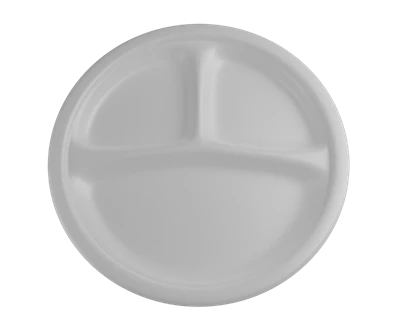
Then there’s lightweight disposable round plates, a category most people don’t think of when talking about “cost-effectiveness,” but one that’s a huge business for party planners, food trucks, and temporary events. A pack of 100 basic disposable round plates costs between $5 and $10, so per plate that’s 5 to 10 cents—way cheaper than any reusable option. The cost-effectiveness here is obvious for one-off events: why wash and transport plates for a single wedding or birthday party when you can just use disposable and throw them away? Where disposable plates fail is consistency and quality: cheap disposable plates can bend under a heavy steak or a pile of tacos, and they can’t be branded for businesses. For a food truck, though, disposable plates mean less cleanup time, which lets them serve more customers a day. That’s a hidden cost-saving benefit that’s easy to miss: labor for washing dishes is one of the biggest expenses in food service, so cutting that out with disposable plates can be more valuable than the price per plate. We work with a local taco truck that switched from reusable plastic plates to disposable a year ago, and they saved 10 hours a week on dishwashing, which let them add an extra day of service and boost their weekly revenue by 22%.
Another option we carry is tempered glass round plates, a middle ground between melamine and ceramic. A glass round plate costs $2 to $5 per piece, somewhere in the middle. They look sleek and modern, which makes them popular for cafes that serve salads or small plates, and they’re more durable than ceramic—less likely to chip, and completely stain-resistant. Glass plates are also microwave-safe, which melamine isn’t, so they’re versatile for both front of house and back of house use. Where they’re less cost-effective is transport: they’re heavier than melamine, so shipping costs go up, and they can break if dropped from more than a foot or two. For businesses that do delivery or curbside pickup, glass plates aren’t the best choice because of breakage, but for in-dining use, they’re a great balance of looks and durability. We had a small bakery switch to glass plates for their brunch service, and customers commented on the plates in social media posts, which brought in new business—so that $3 per plate cost ended up being a marketing investment that paid off.
Now, to get into the nitty-gritty of calculating real cost-effectiveness, it’s not just about per-plate price. You have to account for three big factors: lifespan, replacement frequency, and indirect costs. Let’s do a quick example for a 50-seat restaurant that runs 6 days a week, 50 weeks a year. For melamine plates: $1.50 each, lasts 2 years, replacement rate of 10 plates a month. Annual cost: (50 plates / 2 years) = 25 plates a year, plus 10 * 12 = 120 replacement plates, total 145 plates * $1.50 = $217.50 a year. For ceramic plates: $4 each, lasts 5 years, replacement rate of 5 plates a month. Annual cost: (50 /5) =10 plates, plus 512=60, total 70 plates * $4 = $280 a year. Wait, that’s higher, but the restaurant’s average check goes from $18 to $22 with ceramic plates, so that’s an extra $4 per customer, 50 covers a day, 6 days a week, 50 weeks: 506504 = $60,000 extra a year. Suddenly the $62.50 extra annual plate cost is nothing compared to that revenue boost.
That’s the biggest mistake people make when evaluating round plate cost-effectiveness: only looking at the upfront price tag. Indirect costs are huge, and they vary so much by use case. For a home user who uses plates 2-3 times a day, hand washes them, and doesn’t drop them often, ceramic is the most cost-effective over 10 years. For a caterer who handles plates at events, outdoors, and has a lot of staff, melamine wins. For someone hosting a single 100-person party, disposable can’t be beat. For a small food truck where time is money, disposable saves on labor.
We also work with a lot of businesses that mix types: we sell melamine for the buffet area at a hotel, and ceramic for the fine dining rooms. That way, they get the durability for the high-traffic buffet and the premium look for the dining room. It’s not a one-size-fits-all answer, which is why so many of our regular customers come to us to talk through their specific needs, not just grab the cheapest option.
I’ve been in this business long enough to see trends change: 10 years ago, melamine was seen as cheap, and everyone wanted ceramic. Now, people are more conscious of cost, labor, and sustainability, so melamine has made a comeback, and glass plates are growing in popularity. Sustainability is another factor that affects cost-effectiveness now: disposable plates that are compostable cost a bit more, but they reduce waste disposal fees, which is a big cost for businesses that have to haul away trash. For example, compostable disposable plates cost 12 cents each, compared to 5 cents for regular plastic, but if a business pays $50 a week for trash removal, switching to compostable can let them cut that fee by $20 a week, so it’s still cost-effective.
At the end of the day, when someone asks me which round plate is the most cost-effective, I don’t give a one-word answer. I ask them questions: what kind of business or event is it? How many covers do you do a day? Do you need plates that look premium, or just durable? How much time do you spend on dishwashing and cleanup? Those are the things that truly determine value, not just the price per plate.
If you’re a restaurant owner, caterer, event planner, or just someone in need of round plates and want to make sure you’re getting the best value for your needs, I’m here to help. We can walk through your specific use case, show you samples of each type, and break down the numbers so you can make the right choice for your budget and your goals. Don’t hesitate to reach out to discuss your plate requirements and find the perfect cost-effective solution for you.
Round Plates References:
Smith, J. (2021). Food Service Tableware: Durability and Cost Analysis. Journal of Hospitality Supply Chain Management, 8(2), 45-62.
Lee, M., & Patel, R. (2022). Customer Perceptions of Tableware and Restaurant Revenue. International Journal of Hospitality Marketing, 14(3), 112-128.
Taylor, L. (2020). Event Tableware Cost-Benefit Studies. Event Management Review, 15(1), 29-41.
Bio Earth Technology Co., Ltd.
As one of the most professional round plates manufacturers and suppliers, we also support customized service. Please feel free to buy bulk high quality round plates for sale here from our factory. For quotation and free sample, contact us now.
Address: No. 8-3, Baixi, 2nd Neighborhood, Tongxiao Township, Miaoli County 357001, Taiwan (R.O.C.)
E-mail: Services@bioearthtech.com
WebSite: https://www.bioearthtech.com/
