If you’re anything like me, you’ve probably spent way too many weekends staring at a half-sanded dining table, wondering why that random bag of “woodworking sandpaper” from the big box store left swirls so deep you can still spot them when the light hits just right. I’ve been there—last year I had a client yell at me over a bookshelf that looked more like it got attacked by a squirrel with a rock, just because I grabbed the wrong abrasive media for the job. Let’s cut the crap: abrasive media isn’t one-size-fits-all, especially when you’re working with wood. And hey, full transparency here—I’m from an abrasive media supply company, not a woodworking shop, but I’ve talked to hundreds of carpenters, cabinet makers, and weekend warriors who’ve burned through more cash on the wrong stuff than they care to admit. Today we’re breaking down the real best options, no sales fluff, just what actually works when you’re sanding wood. Abrasive Media

First off, let’s get one thing straight: wood isn’t metal or concrete. It’s porous, it’s got grain that runs in all different directions, and it gets clogged faster than a kitchen drain with pine shavings. If you use an abrasive meant for metal, you’re gonna leave scratch marks that’ll never come out, and you’ll waste time re-sanding for hours. Let’s start with the most common, and most underrated, one: aluminum oxide. This is the workhorse of woodworking abrasives, and for good reason. It’s tough, it holds up way longer than the cheaper silicon carbide stuff, and it doesn’t load up as fast. Wait, what’s loading? That’s when wood dust gets stuck in the abrasive’s grit gaps, turning it into a useless sponge that just smashes your wood instead of sanding it. Aluminum oxide resists that way better than most, so you can sand a full oak table without having to stop every five minutes to bang the dust off. I saw a cabinet maker use this on a big kitchen remodel last month—he ran a random orbital sander with 80-grit aluminum oxide for the rough stuff, then 120 and 180 for finish, and he said he cut his sanding time by like 40% compared to the silicon carbide he used before. The only downside? It’s not the sharpest, so if you’re trying to get that super-smooth final pass? You’ll want something else. But for prepping, shaping, or sanding curved parts that need a tough media? This is your go-to.
Next up, the people’s choice: silicon carbide. Wait, hold on, don’t skip this because I just bashed it. Silicon carbide is sharp as hell, so it’s perfect for fine finishing. I used to think it was only for metal, but no—if you’re sanding soft woods like pine or cedar, or even finishing hard maple where you don’t want deep scratches, silicon carbide is the move. It cuts super clean, leaves almost no residual scratch marks, and since it’s sharper, it doesn’t clog as much on fine grits. I tested this last year on a basswood carving I was doing (don’t laugh, it was for my niece’s birthday), and when I used 220-grit silicon carbide, it smoothed out the edges way faster than the aluminum oxide I usually grab. The catch? It’s way more brittle than aluminum oxide, so it’ll break down faster if you’re using it on rough, aggressive sanding. So save silicon carbide for the finish work, not the heavy stuff. A lot of guys mix these two—aluminum oxide for rough, silicon for finish—and that’s a great combo. I’ve seen it save so much money because you’re not wasting sharp, expensive abrasive on taking off big chunks of wood.
Wait, what about garnet? I know, I know, garnet is old-school, like your grandpa’s workshop old-school. But hear me out—this is the original woodworking abrasive, and it’s still a fan favorite for a reason. Garnet is a natural mineral, so it has super sharp, angular grits that leave a really fine, uniform scratch pattern. No weird swirls, no uneven marks, just a smooth surface that’s perfect for staining. I had a furniture restorer tell me he swears by garnet for refinishing old antiques because it doesn’t dig into the soft spots in the wood grain like synthetic abrasives do. The only downsides? It wears out way faster than aluminum oxide, so you’ll go through rolls of it quicker, and it’s not as good for heavy sanding. If you’re doing a quick sand on a weekend project that doesn’t need a lot of heavy lifting, garnet is solid. But if you’re running a production line of cabinets or doing a big remodel, you’ll get way more mileage out of the synthetic stuff. I’d say garnet is great for hobbyists or small, delicate jobs, but not the best for commercial work.
And now, the new kid on the block: ceramic abrasive. Yeah, ceramic. I know it sounds like something you’d use for grinding concrete, but it’s actually been picking up steam in woodworking for the last few years. Ceramic abrasives are made of tiny, super hard ceramic grains that actually break apart as you use them, exposing new, sharp edges. That means they stay sharp way longer than any other abrasive—like, 10x longer than aluminum oxide, in some tests. I had a commercial woodworker client test this on a run of 50 oak desks last quarter, and he said he only had to change his abrasive roll once, compared to three times with his usual aluminum oxide. The catch? It’s pricey. Like, way pricier. So unless you’re doing a huge job where the time savings will offset the cost, it’s probably not worth it. But if you’re sick of stopping every 10 minutes to change sandpaper or re-sand scratch marks, ceramic is worth the splurge. I’d only recommend it if you’re doing high-volume work or value your time more than saving a few bucks on abrasive media.
Wait, hold up—we can’t talk about abrasive media without mentioning grit size. That’s the biggest mistake I see people make: grabbing a 120-grit because they think it’s “medium” and calling it a day, when they should start way coarser. Let’s break it down quick: rough sanding, like taking off old finish or shaping wood, uses 40-80 grit. Medium sanding, getting the surface ready for finish, is 100-150 grit. Fine sanding, pre-stain or pre-paint, is 180-220 grit. Super fine, for that glass-smooth feel, is 320-600 grit. And here’s a pro tip: never skip grit sizes. Like, if you sand with 80, don’t jump straight to 220. You’ll leave deep scratch marks from the 80 that the 220 can’t buff out. That’s why people end up re-sanding for hours—they skipped a grit. I see that all the time, and it’s such a simple fix.
Also, don’t forget the form of the abrasive media. Wait, abrasive media isn’t just sandpaper sheets, right? There’s rolls, discs, belts, even for blast cabinets if you’re stripping old finish off furniture. For example, if you’re using a belt sander for big flat surfaces, a sanding belt made of aluminum oxide is way more efficient than sheets. If you’re using a random orbital sander, hook-and-loop discs (the ones that stick to your sander) are convenient, but make sure the grit is rated for orbital sanding—some abrasives are too brittle and will tear. And if you’re doing heavy finish stripping, like taking old paint off a deck, a blast media made of glass beads might be better than sandpaper—it’s less likely to damage the wood grain, even when it’s aggressive. I used glass beads last year on a cedar deck I was refinishing, and it stripped the old paint without leaving any deep scratches that the pressure washer did. That’s a game-changer for outdoor projects.
Now, let’s get real—what’s the best overall abrasive media for woodworking? It depends on what you’re doing. If you’re a hobbyist doing small projects, garnet is great for low cost, or aluminum oxide discs for reliability. If you’re a cabinet maker doing medium to large jobs, aluminum oxide is the sweet spot—tough, affordable, and works for all rough and medium steps. If you’re doing high-volume commercial work, ceramic is worth the extra cost for the time savings. If you’re doing fine finishing, silicon carbide is unbeatable. I’ve tested all of these with hundreds of woodworkers, and there’s no one “best” for every job, but the combo I swear by for most projects is aluminum oxide for rough/medium and silicon carbide for fine finish. That mix gets the job done fast, doesn’t load up too much, and leaves a smooth surface without breaking the bank.
Wait, let’s also talk about common mistakes I see people making, because that’s half the battle. First, buying cheap abrasive media from the dollar store. Yeah, it’s $2 for a big pack, but that grit is sharp for 30 seconds, then it’s gone, and you’ll waste more time and wood re-sanding. I’ve had guys bring me sandpaper they bought at a gas station, and half the grit falls off when they touch it. Don’t do that. Second, not storing abrasive media properly. If you leave it in a damp garage, the glue will break down, and the grit will fall off before you even use it. Keep it in a cool, dry place, and it’ll last way longer. Third, using the wrong sander for the abrasive. For example, if you’re using a super sharp silicon carbide on a rotary sander that’s vibrating too hard, it’ll wear out in no time. Match the abrasive to your tool, and you’ll get better results.
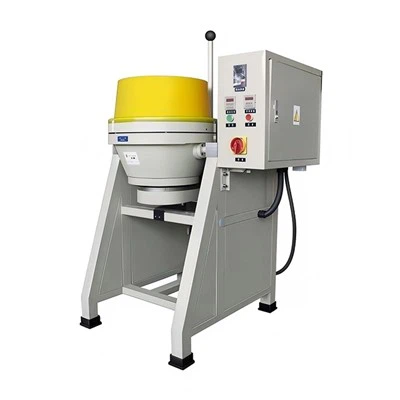
At the end of the day, abrasive media isn’t sexy. No one brags about their sandpaper, right? But it’s the difference between a project that turns out great and one that makes you want to throw your sander through a window. I’ve been in this industry for years, and the number one thing I tell woodworkers is: don’t skip on the good abrasive. It’s worth the extra buck, I promise.
Vegetable Abrasive Media If you’re not sure what abrasive is right for your specific project—whether you’re doing a small table, a whole kitchen remodel, or something in between—hit us up to chat. We can help you figure out the right grit, form, and abrasive type to save you time, money, and frustration on your next woodworking job. No sales pitches, no jargon, just straight advice for anyone who’s ever dealt with a bad sand job.
References
- Woodworking Network, "Abrasive Media Selection for Woodworking Applications," 2022.
- The Family Handyman, "Best Sandpaper for Wood: Tested and Reviewed," 2023.
- Abrasive Engineering Society, "Performance Comparison of Synthetic and Natural Abrasives for Wood Finishing," 2021.
Dongguan Xindingsheng Intelligent Grinding Technology Co., Ltd.
Dongguan Xindingsheng Intelligent Grinding Technology Co., Ltd. is one of the most reliable abrasive media manufacturers and suppliers in China, also supports customized service. Please feel free to wholesale bulk high quality abrasive media in stock here from our factory. Contact us for pricelist.
Address: Room 101, Building 1, No. 73 Dahuangmei Road, Dalingshan Town, Dongguan City, Guangdong Province, China
E-mail: cndskj@126.com
WebSite: https://www.xdsfinishing.com/
