If you’ve ever been stuck on a highway at 2 a.m. watching your fuel gauge dip to “empty,” you know that sinking, tense feeling—especially if there’s no gas station for 50 miles, or the nearest one has a line of 10 semi-trucks and a broken pump. As someone who’s spent the last seven years building mobile gas station solutions, I get how tempting it is to just flag someone down with a portable fuel truck, but I also know the most common question I get from trucking fleets, highway maintenance teams, and even individual drivers is: Are mobile gas stations even allowed to operate on highways? Mobile Gas Station
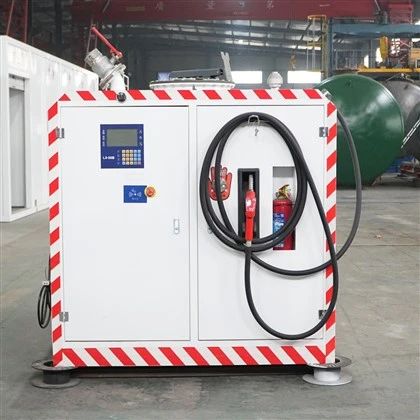
The short answer isn’t a flat “yes” or “no”—it’s a tangled mix of federal regulations, state-specific laws, safety protocols, and environmental rules that vary wildly depending on where you are, what kind of mobile setup you’re using, and who’s operating it. For a long time, I’ve seen people confuse “mobile refueling services” with a random guy driving a tanker down the shoulder handing jerry cans over to stranded drivers, and that misinformation is what leads to a lot of the confusion around whether these services are legal, useful, and safe to use.
Let’s break this down like I do for my team every Monday, because if we want to operate responsibly as a mobile gas station supplier, we don’t just follow rules—we educate our clients on them, too.
First, start with the federal level in the U.S., because that’s the foundation for most highway operations, though states layer their own rules on top. The Federal Motor Carrier Safety Administration (FMCSA) sets baseline regulations for commercial motor vehicles (CMVs), which is what every mobile refueling setup uses. For context, a mobile gas station isn’t some makeshift 50-gallon jug on a flatbed—it’s a vehicle (usually a heavy-duty tanker truck) certified to carry specific volumes of gasoline, diesel, and other fuels, with built-in safety features like overfill prevention valves, grounding straps to prevent static electricity, and spill containment systems.
FMCSA requires that any vehicle transporting hazardous materials (and gasoline is classified as a Class 3 flammable liquid) have a USDOT number, a hazardous materials (HazMat) endorsement for the driver, and meet strict labeling and placarding standards. That part is non-negotiable, no matter if you’re operating on a rural highway outside of Des Moines or a interstate in Texas. Where the gray area starts is when it comes to actually dispensing fuel directly to vehicles on the highway. The FMCSA doesn’t explicitly ban mobile refueling on highways, but it does require that all fuel transfer operations happen in a way that doesn’t create a hazard to other motorists. That means no setting up temporary equipment on the travel lane, no working where traffic is moving at highway speed, and having flaggers or temporary barriers to block off a safe work zone.
Where the real divide hits is state transportation and environmental agencies, and that’s where a lot of people get tripped up. For example, in some Midwestern states like Iowa and Nebraska, highway departments have formalized rules allowing mobile refueling services on interstates for emergency situations, but only after the operator submits a route plan, proof of insurance, and a detailed safety protocol. These states view mobile refueling as a legitimate emergency response tool for stranded motorists, construction crews, or long-haul truckers, because there’s already a gap in highway infrastructure for quick, on-demand fuel access.
But in other states, like New York and California, the rules are much stricter. New York State Department of Transportation (NYSDOT) explicitly prohibits mobile refueling on most limited-access highways, with very limited exceptions for official emergency response vehicles (like fire departments or highway patrol) operating during official incidents. California’s Caltrans goes even further, classifying most mobile highway refueling operations as “unpermitted fuel dispensing” unless the operator has a special permit that’s only issued for specific, pre-approved projects—like supporting a temporary highway construction zone, for example.
Then there’s the type of mobile setup itself, which is a big point we harp on with our clients, because not all mobile gas stations are built the same. Let’s be clear: a small pickup truck with a 200-gallon auxiliary tank is not the same as a purpose-built mobile gas station. States have rules on maximum fuel volumes that can be dispensed for mobile operations—for instance, Texas allows up to 1,000 gallons of diesel or gasoline on a mobile refueling truck for highway use, but some coastal states limit that to 500 gallons to reduce spill risk near sensitive ecosystems.
The biggest concern regulators have, across the board, is safety. That’s why every state that allows mobile highway refueling mandates strict driver training. Our team makes sure every driver we partner with has not just the HazMat endorsement, but specialized training in on-highway fuel transfer, hazard mitigation, and spill response. We also require that all our mobile stations have GPS tracking and real-time safety monitoring, so we can ensure they’re only operating in approved zones and following speed limits. I’ve seen too many horror stories over the years of untrained drivers trying to dispense fuel from a makeshift tanker, causing a static spark that ignites gasoline fumes, or spilling fuel onto the highway where it can seep into a waterway or cause a multi-vehicle crash. Those incidents are why some states have clamped down on mobile refueling so tightly—one bad actor ruins it for everyone.
I know what you’re thinking: this all sounds like a headache. Why not just wait for the next exit? For commercial trucking companies, that’s not always an option. The FMCSA sets hours of service (HOS) rules that limit how long a driver can be on the road without rest. If a long-haul driver is already at the end of their allowed driving window, and they’re 30 miles from the next exit, waiting for a gas station could mean they get a HOS violation, which costs thousands of dollars in fines and could even put their entire operation at risk. Highway construction crews are another group that relies on mobile refueling—if a crew is working on a 20-mile stretch of interstate, they can’t pull off to a gas station every time a piece of equipment runs low on fuel, especially if that would delay a critical project by hours.
Private drivers also benefit, of course. A family road trip that takes a wrong turn, or a single driver whose car’s fuel gauge malfunctions, doesn’t have to end in a dangerous situation on the side of the road. But here’s the thing: not every mobile fuel provider is operating legally. I’ve had more than one trucking client come to us after using a random, unlicensed mobile refueling service for emergency fuel, only to find out the provider didn’t have insurance, their truck wasn’t inspected, and they were operating illegally on the highway. That’s the risk of going with a provider that cuts corners—you might get fuel when you need it, but you’re also exposing yourself to fines, liability, and even safety risks.
Over the years, we’ve worked with state transportation agencies to help draft some of those formal rules I mentioned earlier, because we believe the future of mobile highway refueling isn’t about turning every road into a makeshift fuel stop—it’s about creating a regulated, safe alternative for situations where traditional gas stations just don’t cut it. We’ve invested in technology that lets drivers and fleet managers request fuel through a real-time app, so we can send a mobile station to a safe, pre-approved zone on the highway, away from moving traffic, with all the necessary safety protocols in place. That’s not a “back alley” fuel service—that’s a professional, compliant solution that meets federal and state regulations.
I want to be clear, though: this isn’t a free-for-all. We never operate in a state without the necessary permits, we never use untrained drivers, and we never take on jobs that are outside of our approved scope. Last year, we worked with a highway department in Ohio during a severe winter storm that shut down several interstates, leaving hundreds of motorists stranded without fuel. We were able to operate because we had pre-approved routes, and we followed all the state’s safety rules—we set up a barrier to block off our work zone, had flaggers directing traffic, and every driver was trained to work in low-visibility conditions. That’s the kind of responsible operation that regulators are starting to embrace, because it solves a real problem without creating new risks.
So, to circle back to the original question: Are mobile gas stations allowed to operate on highways? The answer is: they can be, if you use a licensed, regulated provider that follows federal and state rules, has the proper certifications, and prioritizes safety above all else. The key is knowing the difference between a legitimate mobile refueling service and an unlicensed operator that’s just looking to make a quick buck. If you’re a fleet manager, highway agency, or even a private driver in a pinch, always do your research: check for a valid USDOT number, HazMat endorsements, proof of insurance, and state-issued permits before agreeing to any service.
If you’re someone who’s tired of dealing with stranded motorists, fleet delays, or the hassle of waiting for a gas station on a busy highway, we’re here to help. Whether you’re looking to implement a mobile refueling program for your commercial fleet, need emergency support for a highway construction project, or just want to have a compliant, reliable option on hand for roadside emergencies, our team can walk you through the regulatory requirements for your state, help you set up a safe plan, and make sure you’re operating within all applicable rules. We’ve spent years building a business around responsible mobile refueling, and we’re ready to help you navigate the complexities of highway operations so you can focus on what matters most.
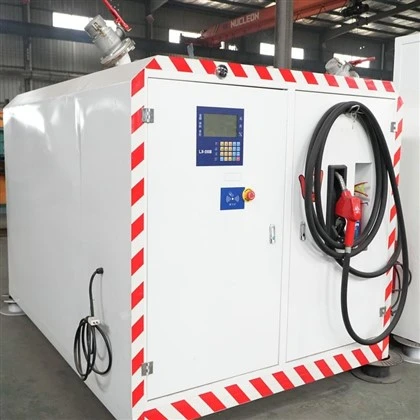
If you’re ready to discuss your needs, get in touch with our team to learn more about our compliant mobile gas station solutions. We can provide detailed information on permits, safety protocols, and pricing tailored to your specific location and use case. Don’t wait until you’re stuck on the side of the road—reach out today to find out how we can support your operations.
Self-contained Fuel Station References
Federal Motor Carrier Safety Administration. (2024). Hazardous Materials Regulations (49 CFR Parts 100-185). U.S. Department of Transportation.
New York State Department of Transportation. (2023). Manual for Highway Maintenance and Operations. NYSDOT.
California Department of Transportation. (2024). Hazardous Materials Transportation Regulations for Highway Operations. Caltrans.
Iowa Department of Transportation. (2023). Emergency Highway Response Services Guidelines. Iowa DOT.
National Fire Protection Association. (2022). Standard for the Storage and Handling of Petroleum Liquids (NFPA 30). NFPA.
Shandong Jingcai Industry and Trade Co., Ltd.
As one of the most professional mobile gas station manufacturers and suppliers in China, we also support customized service. With abundant experience, we warmly welcome you to wholesale high quality mobile gas station in stock here from our factory. Contact us for free sample.
Address: Caojiazhuang Village Industrial Park, Lingcheng Town, Qufu City, Jining City, Shandong Province.
E-mail: shandongjingcai888@gmail.com
WebSite: https://www.sdjingcaicn.com/
