Hydraulic plugs play a crucial role in various hydraulic systems, serving as essential components to prevent fluid leakage and contaminants from entering. As a hydraulic plug supplier, I understand the significance of ensuring these products remain in optimal condition. This blog aims to share some practical strategies on how to protect hydraulic plugs from damage. Hydraulic Plug
Understanding the Causes of Hydraulic Plug Damage
Before delving into protection methods, it’s important to recognize the common factors that can lead to hydraulic plug damage.
1. Mechanical Impact
In industrial settings, hydraulic plugs are often exposed to rough handling. Drops, collisions with other equipment parts, or even improper installation can cause physical damage to the plugs. For example, if a plug is dropped onto a hard surface, it may crack or deform, which can compromise its sealing ability and lead to fluid leakage.
2. Chemical Corrosion
Hydraulic fluids, along with cleaning agents and environmental contaminants, can be corrosive to hydraulic plugs. Different materials have varying levels of resistance to corrosion. For instance, if the hydraulic system is operating in a acidic or alkaline environment, and the plug is not made of a corrosion – resistant material, it may start to corrode over time. This can weaken the plug structure and eventually lead to failure.
3. Wear and Tear
Continuous use in high – pressure hydraulic systems subjects the plugs to significant stress and strain. The repeated connection and disconnection of hydraulic lines can cause the sealing surfaces of the plugs to wear down. Moreover, the flow of high – velocity fluids within the system can erode the plug materials, reducing their effectiveness over time.
Protective Measures Against Mechanical Impact
1. Proper Packaging
When shipping or storing hydraulic plugs, it’s vital to use suitable packaging materials. For smaller plugs, padded plastic bags or foam – lined boxes can provide a cushioning effect, minimizing the risk of damage during transit. For larger or bulkier plugs, custom – made wooden crates with shock – absorbing inserts can be used. These materials can absorb the impact energy in case of accidental drops or collisions.
2. Handling Training
Providing comprehensive handling training to workers is essential. Employees should be taught how to handle hydraulic plugs properly, including techniques for safe lifting, installation, and removal. For example, they should use the correct tools and follow the recommended torque specifications during installation to avoid over – tightening or under – tightening, which can both lead to damage. Training can also include instructions on how to recognize signs of potential damage early, so that preventive action can be taken.
3. Installation of Protective Shields
In some industrial environments, hydraulic plugs may be at risk of being accidentally hit by moving machinery parts or heavy objects. Installing protective shields around the hydraulic plugs can prevent such impacts. These shields can be made of durable materials such as metal or hard plastic and should be designed to fit the specific layout of the hydraulic system.
Preventing Chemical Corrosion
1. Material Selection
One of the most effective ways to prevent chemical corrosion is to choose the right materials for the hydraulic plugs. Stainless steel plugs are a popular choice due to their high resistance to corrosion. They can withstand exposure to a wide range of hydraulic fluids, as well as corrosive substances in the environment. Other corrosion – resistant materials like brass or nickel – plated steel can also be considered depending on the specific requirements of the hydraulic system.
2. Coating and Plating
Applying protective coatings or platings to the hydraulic plugs can provide an additional layer of defense against corrosion. Zinc plating, for example, can create a sacrificial layer that corrodes instead of the base material. Similarly, epoxy coatings can form a barrier between the plug and the surrounding environment, preventing corrosive agents from coming into contact with the metal.
3. Fluid Management
Proper management of the hydraulic fluid is crucial in preventing corrosion. Regularly testing and maintaining the quality of the hydraulic fluid can help identify and correct any issues that may cause corrosion. For example, maintaining the proper pH level of the fluid and ensuring that it is free from contaminants can significantly reduce the risk of corrosion to the hydraulic plugs.
Reducing Wear and Tear
1. Regular Maintenance and Inspection
Implementing a regular maintenance and inspection schedule is vital for detecting early signs of wear and tear on hydraulic plugs. During inspections, check for any signs of surface damage, such as scratches or dents, as well as for signs of leakage. If any issues are detected, the plugs should be replaced or repaired promptly to prevent further damage to the hydraulic system.
2. Lubrication
Proper lubrication of the hydraulic plugs can reduce friction during installation and removal, which helps to minimize wear. Using a suitable lubricant that is compatible with the hydraulic fluid and the plug material can extend the service life of the plugs. However, it’s important to apply the lubricant in the right amount, as excessive lubrication can attract dirt and contaminants, which can also cause damage.
3. Pressure Regulation
Maintaining the correct pressure within the hydraulic system is essential for reducing stress on the hydraulic plugs. Over – pressurization can cause the plugs to deform or leak, while under – pressurization may not provide a proper seal. Installing pressure regulators and monitoring the system pressure regularly can help ensure that the plugs are operating within the recommended pressure range.
Storage Considerations
1. Clean and Dry Environment
When storing hydraulic plugs, it’s important to keep them in a clean and dry environment. Moisture can cause corrosion, and dirt or dust can accumulate on the plugs, which can interfere with their sealing performance. Storing the plugs in a climate – controlled storage area can help maintain their integrity.
2. Separate Storage
To prevent damage from contact with other objects, hydraulic plugs should be stored separately. This can be achieved by using individual compartments or storage bins. Additionally, storing different types of plugs separately can help avoid confusion during retrieval and installation.
Conclusion

Protecting hydraulic plugs from damage is a multi – faceted process that involves proper handling, material selection, maintenance, and storage. By implementing the strategies outlined in this blog, you can significantly extend the service life of your hydraulic plugs, reduce the risk of system failures, and ensure the reliable operation of your hydraulic systems.
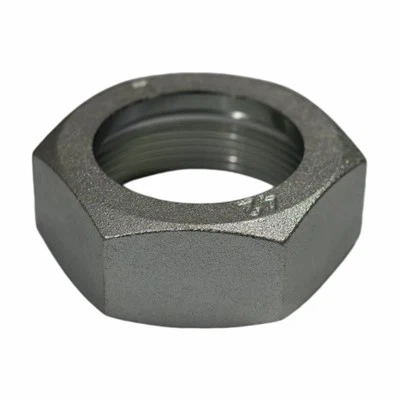
Screw Nut If you’re interested in high – quality hydraulic plugs or need further information on protecting and maintaining them, I’d be more than happy to assist you. Reach out to me to start a procurement discussion and find the best solutions for your hydraulic needs.
References
- "Hydraulic Systems Handbook"
- "Materials Science for Engineers"
- Industry – specific technical bulletins on hydraulic plug maintenance and protection.
Yuyao Huiqiang Fluid Connectors Co., Ltd.
As one of the most professional hydraulic plug manufacturers and suppliers in China, we also support customized service with low price. Please feel free to wholesale cheap hydraulic plug in stock here from our factory. Welcome to view our website for more information.
Address: No. 102, Wenwei Road, Zhangting Town, Yuyao City, Ningbo City, Zhejiang Province
E-mail: huiqiangliuti@aliyun.com
WebSite: https://www.huiqiangfitting.com/
