As a supplier of pad-mounted substations, I often encounter inquiries from individuals and businesses regarding the feasibility of using these electrical installations in residential areas. This question is not only relevant but also critical for ensuring the safety, efficiency, and comfort of homeowners. In this blog post, I’ll delve into the technical, safety, and aesthetic aspects of using pad-mounted substations in residential areas and provide insights from a supplier’s perspective. Pad Mounted Substation
Technical Feasibility
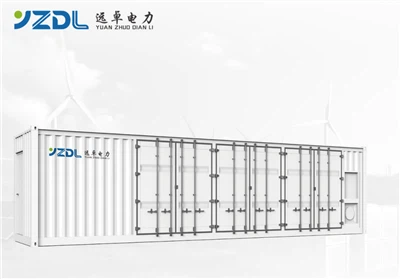
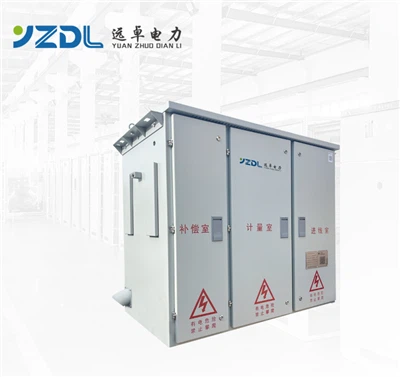
The technical feasibility of a pad-mounted substation in a residential area boils down to its ability to meet the power requirements of the residences while complying with electrical safety standards. Pad-mounted substations are essentially enclosed electrical distribution units that step down high-voltage electricity from the utility grid to a lower voltage suitable for residential use. They typically house transformers, circuit breakers, and other protective devices.
In modern residential areas, the power demand can vary significantly based on the number of households, the type of appliances used, and the prevalence of electric vehicles. A well-designed pad-mounted substation can be customized to handle these varying loads. For instance, if a new residential development includes a large number of smart homes with high-energy-consuming devices, a substation with a higher capacity can be installed.
Moreover, pad – mounted substations are equipped with advanced technology to ensure stable power supply. They are designed to automatically regulate voltage levels, which helps prevent power surges and outages. This is crucial for residential areas, as any disruption in power can cause inconvenience to residents and damage to electronic devices.
However, the technical installation also requires careful consideration of space and layout. The substation must be placed at a location where it can be easily connected to the main power grid and the residential distribution network. This often means finding a flat, well – drained area that is accessible for maintenance and repair work.
Safety Considerations
Safety is of paramount importance when it comes to installing a pad – mounted substation in a residential area. These substations are designed with multiple layers of protection to prevent accidents. The enclosures are made of robust materials, such as steel or fiberglass, which are resistant to weather conditions and physical damage.
Most pad – mounted substations are equipped with safety interlocks. These interlocks prevent unauthorized access to the live parts of the substation. For example, the circuit breaker will only open when the access door is properly locked, reducing the risk of electric shock.
In addition, the transformers used in pad – mounted substations are often filled with a non – flammable insulating fluid. This fluid helps prevent fires and explosions, even in the event of a short – circuit or other electrical fault. The fluid is also designed to cool the transformer, ensuring its long – term reliability.
However, despite these safety features, proper signage and fencing are still required around the substation. Warning signs should clearly indicate the presence of high – voltage equipment, and the fencing should be tall enough to prevent children and pets from accidentally entering the area.
Aesthetic and Community Impact
The appearance of a pad – mounted substation can have a significant impact on the aesthetics of a residential area. Unlike traditional overhead substations, pad – mounted substations are located at ground level and are often enclosed in a box – like structure. While this design provides better protection and safety, it can also be an eyesore if not properly designed.
Many modern pad – mounted substations are now being designed with aesthetics in mind. The enclosures can be painted in colors that blend in with the surrounding environment, such as earth tones or colors that match nearby buildings. Some suppliers also offer the option of adding decorative elements, such as murals or landscaping around the substation.
Community acceptance is also a crucial factor. Before installing a pad – mounted substation, it is important to engage with the local community. This can involve holding public meetings to explain the purpose and benefits of the substation, as well as addressing any concerns that residents may have. By involving the community in the decision – making process, it is possible to minimize opposition and ensure that the substation is installed in a way that is acceptable to everyone.
Cost – effectiveness
From a cost – effectiveness perspective, pad – mounted substations can be a viable option for residential areas. They are generally less expensive to install than overhead substations, as they do not require the installation of tall poles and extensive wiring. The installation process is also typically faster, reducing the overall construction time and costs.
In terms of maintenance, pad – mounted substations are designed to be low – maintenance. The enclosures protect the internal components from the elements, and the advanced diagnostic systems can detect potential problems before they become major issues. This reduces the need for frequent maintenance visits and can save homeowners and utility companies money in the long run.
Environmental Impact
Pad – mounted substations can have a relatively low environmental impact compared to other types of substations. As they are located at ground level, they do not interfere with bird migration routes or require large – scale deforestation for installation. The non – flammable insulating fluids used in modern transformers are also less harmful to the environment than traditional fluids.
However, the manufacturing process of pad – mounted substations still requires energy and resources. As a supplier, we are committed to reducing our environmental footprint by using sustainable materials and manufacturing processes. We also encourage our customers to consider the long – term environmental benefits of choosing a pad – mounted substation, such as its energy efficiency and reduced maintenance requirements.
Conclusion
In conclusion, a pad – mounted substation can indeed be used in residential areas. From a technical perspective, it can effectively meet the power requirements of modern homes while ensuring a stable and safe power supply. Safety features are in place to protect residents, and with proper design, the substation can blend in with the surrounding environment. Cost – effectiveness and relatively low environmental impact also make it an attractive option.
Plc Cabinet If you are considering a pad – mounted substation for your residential area, I encourage you to reach out to us for a detailed consultation. Our team of experts can help you assess your power needs, design a substation that meets your specific requirements, and ensure a smooth installation process. We are dedicated to providing high – quality products and services that meet the highest standards of safety and performance.
References
- Electrical Safety Standards Handbook, National Electrical Code (NEC)
- Transformer Design and Application Guide, IEEE Standards Association
- Community Engagement in Infrastructure Projects, International Association for Public Participation (IAP2)
Yuanzhuo Electrical Equipment (Jiangsu) Co., Ltd.
We’re well-known as one of the leading pad mounted substation manufacturers and suppliers in China. We warmly welcome you to wholesale high quality pad mounted substation at competitive price from our factory. If you have any enquiry about cooperation, please feel free to email us.
Address: Group 8, Chengdong Village, Fucheng Sub-district Office, Funing County
E-mail: markcheng1358@126.com
WebSite: https://www.yzdlchina.com/
