Hey there! As a supplier of PVC air ducts, I often get asked about how to test the performance of these ducts. It’s a crucial aspect, whether you’re a contractor looking to ensure quality for a project or a facility manager wanting to maintain optimal air circulation. In this blog, I’ll share some practical ways to test the performance of PVC air ducts. PVC Air Duct
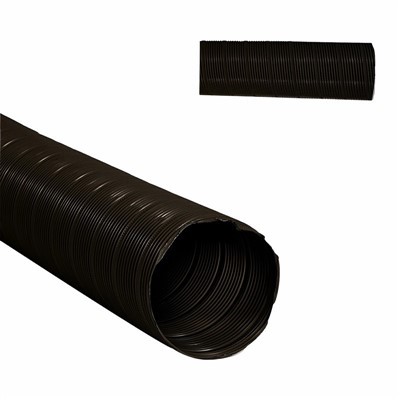
Airflow Testing
One of the most fundamental aspects of testing a PVC air duct is to check the airflow. Good airflow ensures that the air is being distributed evenly throughout the space. To do this, you can use an anemometer. It’s a simple and handy tool that measures the speed of air.
First, find a straight section of the duct, at least 10 duct diameters downstream and 5 duct diameters upstream from any bends, branches, or obstructions. This ensures that the airflow is stable and not affected by turbulence. Then, insert the anemometer into the duct through a pre – drilled hole or a sampling port. Take multiple readings at different points across the duct’s cross – section. This is because the airflow may vary from the center to the edges of the duct.
Let’s say you’re testing a rectangular duct. Divide the cross – section into smaller areas, like a grid. Measure the air velocity at each grid point. Once you have all the readings, calculate the average air velocity. Multiply this average velocity by the cross – sectional area of the duct to get the volumetric airflow rate (in cubic feet per minute or cubic meters per second, depending on your measurement system).
If the measured airflow rate is significantly lower than the designed rate, there could be issues like blockages in the duct, leaks, or improper fan operation. For example, if there’s a build – up of dust or debris inside the duct, it can restrict the airflow.
Pressure Testing
Pressure testing is another important test. There are two types of pressure in an air duct system: static pressure and total pressure. Static pressure is the force exerted by the air on the walls of the duct, while total pressure is the sum of static pressure and velocity pressure.
To measure static pressure, you can use a manometer. Connect the manometer to the duct using a pressure tap. A pressure tap is a small hole in the duct wall with a tube attached to it. Make sure the pressure tap is perpendicular to the airflow to get an accurate reading of the static pressure.
Measure the static pressure at different points along the duct, especially at the inlet and outlet of the duct, as well as near any components like dampers or filters. If there’s a large drop in static pressure across a component, it could indicate that the component is causing a significant restriction to the airflow.
Total pressure can be measured using a pitot tube connected to a manometer. The pitot tube has two openings: one facing the airflow to measure the total pressure and another perpendicular to the airflow to measure the static pressure. The difference between the total pressure and static pressure gives you the velocity pressure, which you can use to calculate the air velocity.
Leakage Testing
Leakage in PVC air ducts can lead to energy losses and poor air distribution. There are a few methods to test for leaks.
One common method is the duct pressurization test. For this test, you’ll need a blower door-like device specifically designed for ductwork. Seal all the openings in the duct system, except for the one where you’ll connect the blower. The blower will then pressurize the duct to a specific pressure, usually around 25 – 100 pascals.
Once the duct is pressurized, measure the amount of air that the blower has to supply to maintain the pressure. If the amount of air is more than what the manufacturer’s specifications allow for a properly sealed duct, then there are leaks in the system.
Another way to detect leaks is by using a smoke test. Introduce a non – toxic smoke into the duct system. You can use a smoke pen or a smoke generator. Walk around the duct system and look for any places where the smoke is escaping. This method is great for finding small, hard – to – detect leaks.
Temperature Testing
If the air duct is used for heating or cooling, temperature testing is essential. You can use a thermometer to measure the temperature of the air entering and leaving the duct.
Take multiple temperature readings at different points along the duct to ensure that the temperature is consistent. A large difference in temperature between the inlet and outlet could indicate heat loss or gain through the duct walls. This could be due to poor insulation or leaks.
For example, if the duct is supposed to deliver cool air, but the temperature of the air at the outlet is much higher than the temperature at the inlet, there’s a problem. You might need to check the insulation of the duct and look for leaks that could be allowing warm outside air to enter the duct.
Sound Testing
Excessive noise from the air duct can be a nuisance. To test the sound level, you can use a sound level meter. Place the sound level meter at different points near the duct, especially at the supply and return vents.
Measure the sound level in decibels (dB). Compare the measured sound level with the acceptable noise level standards for the specific application. If the sound level is too high, it could be due to issues like turbulent airflow, loose components, or improper installation.
For instance, if there are sharp bends in the duct, it can cause the airflow to become turbulent, resulting in increased noise. You may need to modify the duct layout or add sound – absorbing materials to reduce the noise.
Material Quality Testing
As a PVC air duct supplier, I know that the quality of the material is crucial for the performance of the duct. You can perform some basic tests on the PVC material.
One test is the hardness test. Use a durometer to measure the hardness of the PVC. A proper hardness ensures that the duct is rigid enough to maintain its shape but also flexible enough to be installed easily.
You can also check the thickness of the PVC material using a caliper. Consistent thickness is important for uniform strength and performance. If the material is too thin in some areas, it may be more prone to damage or leakage.
Another aspect is to check for any signs of degradation or discoloration. PVC can degrade over time due to exposure to heat, chemicals, or UV light. If you notice any discoloration or a change in the texture of the PVC, it could indicate a problem with the material quality.
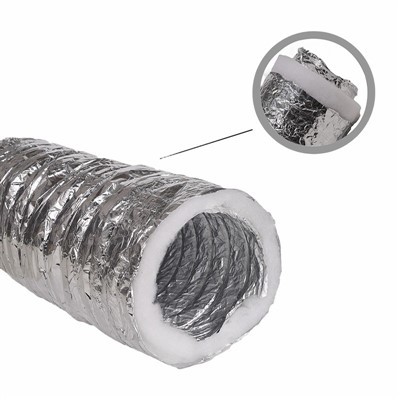
In conclusion, testing the performance of PVC air ducts involves a combination of airflow, pressure, leakage, temperature, sound, and material quality testing. By conducting these tests regularly, you can ensure that the air ducts are working efficiently and effectively.
Vacuum Tube If you’re in the market for high – quality PVC air ducts or have any questions about testing or installation, don’t hesitate to reach out. We’re here to help you make the best choices for your ventilation needs.
References
- ASHRAE Handbook – Fundamentals. This handbook provides comprehensive information on HVAC systems, including air duct testing methods.
- SMACNA (Sheet Metal and Air Conditioning Contractors’ National Association) Duct Construction Standards. These standards offer guidelines on the design, installation, and testing of air ducts.
Dongyang Hstube Co., Ltd.
As one of the leading PVC air duct manufacturers and suppliers in China, we warmly welcome you to wholesale cheap PVC air duct for sale here from our factory. If you have any enquiry about free sample, please feel free to email us. Quality products and reasonable price are available.
Address: NO.5 CHENGDONG ECOLOGICAL INDUSTRIAL ZONE, DONGYANG, ZHEJIANG, CHINA.
E-mail: sales@hstube.com
WebSite: https://www.ductword.com/
