When I first started selling portable power stations five years ago, one of the most common questions I heard wasn’t about wattage or battery capacity—it was straight to the point: “Can I use this thing indoors?” Back then, I’d fumble through answers about carbon monoxide risks and ventilation, but over time, I’ve dug into the science, worked with electricians, and helped hundreds of customers make safe choices. Today, I want to lay it all out clearly: yes, portable power stations can be used indoors—but only if you do it right. Let’s break down why that’s not a yes or no answer, how to stay safe, and what’s worked for the customers who rely on our products every single day inside their homes. Portable Power Stations
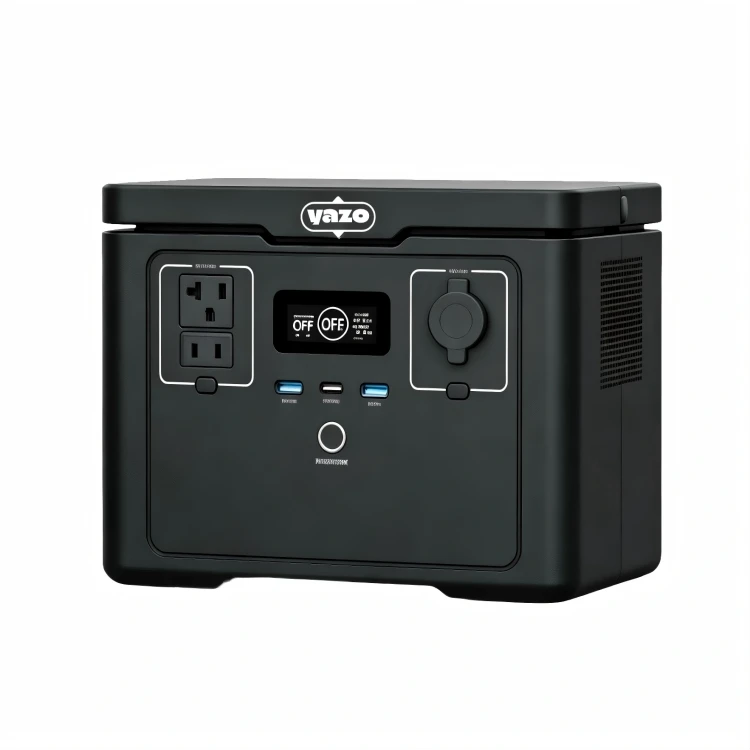
First, let’s get one critical distinction out of the way right away: not all portable power stations are the same. The ones that are safe indoors use lithium-ion batteries, and they’re fully electric—no internal combustion engine. That’s non-negotiable. The older, cheaper models that have a gasoline generator built in? Those are for outdoor use only. Full stop. Gasoline generators emit carbon monoxide, a odorless, deadly gas that kills thousands of people in the U.S. alone every year, most often when people run them in garages, basements, or even right outside open windows. I’ve seen customers tell me they tried “just popping the garage door open a little” to run a gas generator during a power outage, and that’s exactly the kind of mistake that leads to tragedy. That’s why we never, ever sell models with internal combustion engines as “indoor-friendly.”
The lithium-ion models we supply, though, are a different story. Their batteries store DC power, and they invert it to AC power inside the unit—no combustion, no exhaust, no fumes. That’s the science side. But even with that, there are still rules for indoor use, and I’ve learned them the hard way, both from mistakes customers almost made and from working with electrical safety experts.
Let’s talk about why someone would even want to use a portable power station indoors. For many of our customers, it’s not just a backup for storms. A lot of people live in older homes with unreliable grid power—flickering lights in winter, outages that last for days in summer when AC is a must. Others have home offices: someone running a graphic design setup can’t afford to lose their work when the power cuts out, especially if that outage happens when a big file is due. We also have a lot of customers with medical devices at home—nebulizers, CPAP machines, oxygen concentrators. Those aren’t luxuries; they’re necessary, and running them on a wall outlet is their only option. A portable power station lets them keep those running safely inside, without having to depend on a generator. That’s the real value here, and it’s why getting the answer right matters so much.
Now, the safety guidelines—these are the ones I drill into every customer before they buy, and they’re what I stand by after years of testing and feedback. First: pick the right size. A common mistake is buying a power station that’s too small, then overloading it. For indoor use, you need to calculate what you’re powering. A CPAP machine uses about 50 watts, a small fridge uses 100-200 watts, a laptop uses 60 watts. Add up your total, then get a power station that can handle at least 20-30% more than that. Why? Because power stations have a “surge rating” for when devices turn on—fridges and AC units have big power surges when they kick on, and if your power station can’t handle that, it’ll shut down or even get damaged. I once had a customer call us panicking because their $200 power station died mid-storm, only to admit he’d plugged his 1500-watt space heater and fridge into a 1000-watt unit. He tried to use it indoors in his bedroom, and while nothing dangerous happened, he learned the hard way that size matters.
Second: ventilation. Even lithium-ion power stations need air flow. They get hot when they’re in use, especially if you’re running multiple devices at once. If you stuff it in a closet, put a blanket over it, or set it on a couch or rug, that heat can build up. Lithium-ion batteries are safe, but overheating can shorten their life, or in extreme cases, cause a fire. We always tell customers to set their power station on a hard, flat surface—like a wood table or a concrete floor—at least a foot away from any walls, curtains, furniture, or flammable materials. No corners, no enclosed spaces. I’ve had customers who work from home set their power station right next to their desk, which is fine, but if they tuck it behind a pile of books, that’s a problem. Keep it in an open area where air can circulate around the unit.
Third: charging practices indoors. Wait a second—most people don’t think about this, but can you charge a portable power station while using it indoors? The short answer is: yes, but be careful. Lithium-ion batteries charge best at moderate temperatures, so if your power station is already warm from running devices, adding more heat from charging isn’t ideal. Also, never charge it near a window in direct sunlight—sunlight can heat the battery too much, even indoors. When you’re charging it, keep it in the same open, well-ventilated space you use it in. And never leave it charging unattended overnight, even indoors. I know it’s easy to plug it in before bed, but if something goes wrong (rare, but possible), you want to be able to catch it. Our units have built-in battery management systems (BMS) that prevent overcharging, overheating, and short-circuiting, but even the best BMS isn’t a substitute for common sense.
Fourth: extension cords and connections. This is where a lot of indoor use goes wrong, and it’s not about the power station itself—it’s about what you plug into it. Never use a thin, flimsy extension cord for your devices. Thin cords resist electricity, which makes them heat up, and that’s a fire hazard, especially when you’re running multiple high-wattage devices. If you need to run a cord from your power station to a device across the room, use a heavy-duty extension cord rated for the wattage you’re using. Also, never daisy-chain extension cords—plugging one cord into another doubles the resistance and increases the risk of overheating. I once had a customer who ran two extension cords from his power station to his fridge and TV, and when we checked the cords, they were warm to the touch. We told him to get a single heavy-duty cord, and the problem went away. That’s a small change, but it’s a big safety one.
Now, let’s talk about what we’ve learned from customers who use our power stations indoors regularly. One repeat customer is a woman named Maria who lives in an old apartment in Chicago. Her building has power outages at least once a month in winter, and she uses a power station to run her heat lamp for her pet rabbit, her space heater, and her laptop while she works from home. She told me last year, “I tried a gas generator once when I first moved here, and my rabbit got sick from the fumes. Now I use your power station every outage, and I never have to worry about that.” That’s the real payoff of indoor-safe portable power: it’s not just about staying powered—it’s about safety for the people and pets in your home.
Another customer is a small business owner who runs a bakery out of his garage. He uses our power station to run his commercial mixer and refrigerated display case on nights when he’s testing new recipes, and he keeps it set up in a corner of the garage with the door propped open a few inches for ventilation. He told me, “I can’t run my big generator in the garage anymore—my neighbor complained about the noise, and it’s bad for my employees to be around fumes. Your power station works perfectly, and it’s quiet enough that we can have conversations while we’re working.” That’s another point I should mention: indoor use means quiet, too. Gas generators are loud—so loud they can damage your hearing over time—while lithium-ion power stations run almost silently, which is perfect for homes, small offices, or any space where noise is a concern.
But let’s be honest: there are times when even a lithium-ion portable power station isn’t the right choice indoors. If you’re running a high-wattage appliance like a 1500-watt space heater, most portable power stations can handle that for a few hours, but not all day. Our 2000-watt unit can run a space heater for 4-6 hours on a full charge, but if you’re using it for longer, you’ll need to either charge the power station or use a gas generator (outside, always). That’s why we always ask customers what they plan to power, and for how long, before we recommend a unit. No one wants to sell a product that won’t meet their needs, and no one wants them to use something in a way that’s unsafe.
I also want to address a common misconception that I hear a lot: “If it’s electric, it’s totally safe indoors.” That’s not true. Even portable power stations have small risks, and that’s why the safety rules are there. Last year, we had a customer who set his power station in his basement, right next to a stack of old magazines and paint cans, and plugged in a space heater. A few hours later, the power station got too hot, and the magazines started to smoke. Nothing caught fire, but it was a close call. We sent him a new unit, and now we go over the ventilation rules with every customer who buys a unit for basement use. That’s not to scare anyone—just to emphasize that even with safe equipment, you have to use it safely.
Another point: maintenance. Portable power stations last longer and stay safer if you take care of them indoors. Don’t leave them in extreme temperatures—if your home gets below freezing in winter, don’t leave the power station in an unheated garage or basement, because cold can damage the battery. If it’s over 100 degrees, don’t leave it in a hot car or a closed room, because heat degrades batteries. We tell customers to keep their power stations in a moderate indoor space, like their main living area, when they’re not using it. That’s a small habit that makes a big difference in both safety and how long the unit lasts.
Now, I know a lot of people are still weighing the pros and cons, and maybe they’ve had bad experiences with power products before. That’s why we don’t just sell a unit and walk away. We have a team that answers questions 7 days a week, and when a customer tells us they want to use it indoors, we walk through every step with them: what size they need, where to place it, how to charge it, how to connect devices. We even send a free guide to indoor power use with every unit, with step-by-step instructions and safety checks.
If you’re someone who’s been thinking about getting a portable power station for indoor use—whether it’s for power outages, your home office, medical needs, or just peace of mind—we’re here to help. We’ve helped thousands of customers make the right choice, and we can help you too. Whether you’re not sure what size to get, want to know more about our battery technology, or just have questions about safe indoor use, you can reach out to our team to discuss your needs and find the perfect fit for your home. We don’t pressure anyone to buy something they don’t need, and we prioritize safety above all else.
When I started in this business, I thought portable power stations were just for campers and people who go off-grid. But now I see how many people rely on them inside their homes, every single day. From single parents who need to power a baby monitor during outages, to seniors who need their oxygen concentrator to work, to small business owners who can’t afford to lose a day of work, portable power stations fill a gap that generators can’t— safely, quietly, and reliably. The key is knowing how to use them right, and that’s what we’re here to teach.
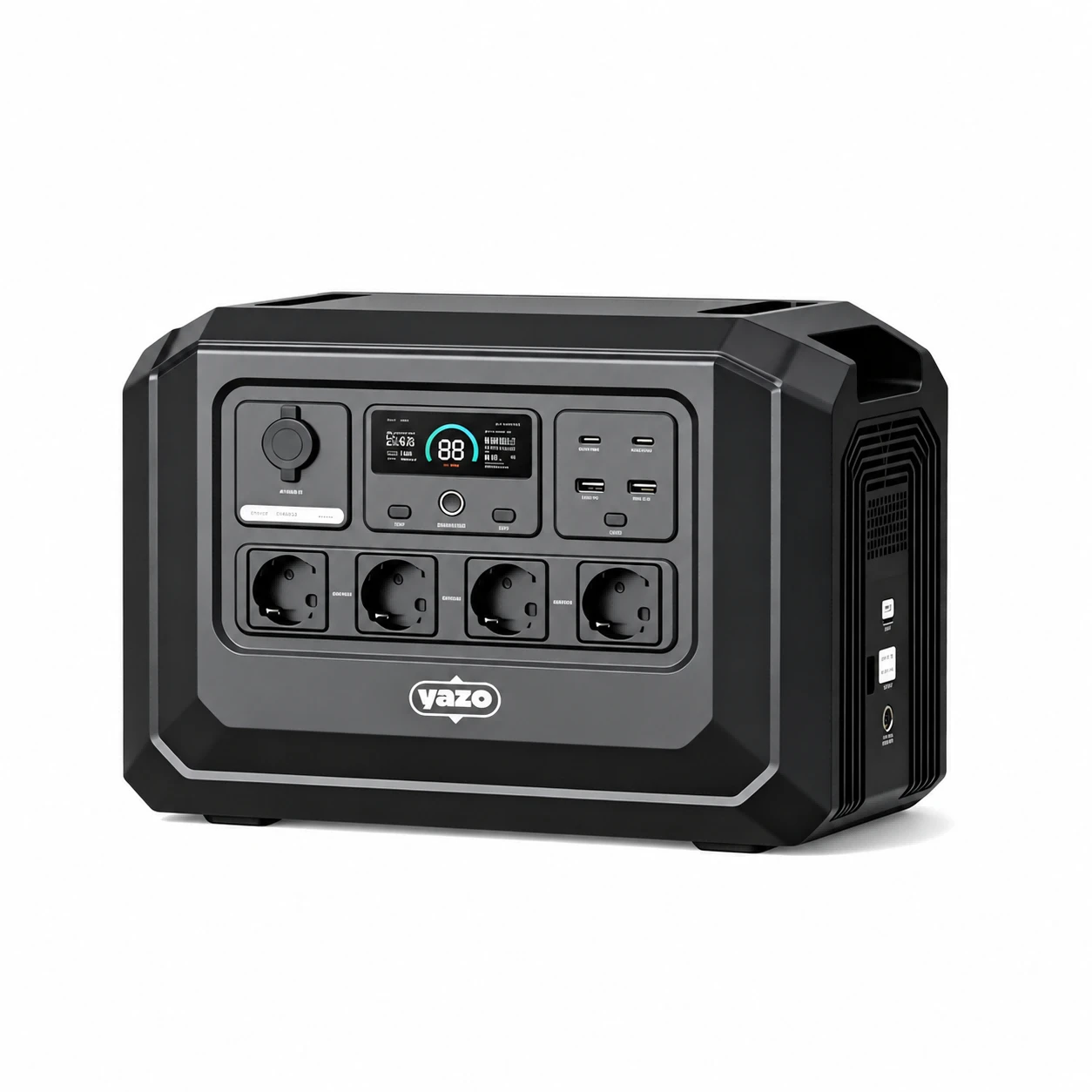
We have a range of portable power stations designed specifically for indoor use, with different wattages and battery capacities to fit any need. Whether you’re looking for a compact unit for your desk or a larger one that can power multiple devices for a full day, we have options that meet safety standards and customer needs. When you’re ready to talk through what you need, our team is available to collaborate and find the solution that works best for you. Don’t hesitate to reach out to start a conversation about your requirements—we’re here to help.
Power & Charging Accessories References
- U.S. Consumer Product Safety Commission. Carbon Monoxide Poisoning: Prevention Tips for Generators and Gas-Powered Equipment.
- National Fire Protection Association. Portable Power Station Safety Guidelines for Residential Use.
- Lithium-Ion Battery Association. Safe Operation of Portable Energy Storage Devices Indoors.
- Occupational Safety and Health Administration. Guidelines for Using Portable Power Equipment in Indoor Workspaces.
Overlooking Countless Small Mountains (Xiamen) Electric Power Technology Co., Ltd.
Overlooking Countless Small Mountains (Xiamen) Electric Power Technology Co., Ltd. is one of the most reliable portable power stations manufacturers and suppliers in China. With a professional production team, we are able to meet the needs of the majority of our customers. Please feel free to wholesale bulk high quality portable power stations made in China here from our factory.
Address: No.888, Tonglong 2nd Road, Xiamen Torch High-tech Industrial Zone (Xiang’an), Xiamen, Fujian, China
E-mail: admin@powerstationsupplier.com
WebSite: https://www.powerstationsupplier.com/
