If you’ve ever walked the floor of a machine shop, you know the vibe—grinders whirring, parts clinking, everyone hustling to get a job out on time. A lot of folks still swing toward vertical machining centers (VMCs) for their daily grind, and I get why. I sell these bad boys, so I see every day how they make a shop owner’s life way less stressful, but I don’t just push the specs. I’ve sat in on hundreds of shop tours, listened to guys complain about their old mills, and watched how a well-built VMC fixes more headaches than you’d think. Let’s break it down like I would with a guy eyeing a new machine for his shop next week. Vertical Machining Center
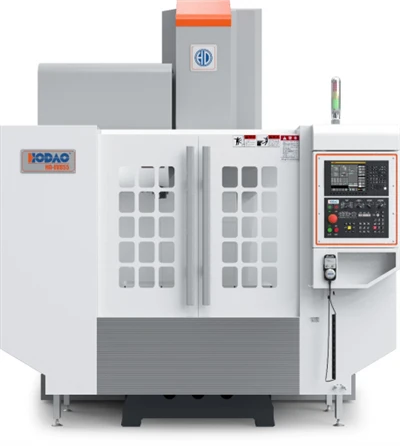
First off, let’s talk about that vertical orientation—this is the big one that makes everyone stop what they’re doing. Traditional horizontal machining centers (HMCs) get a lot of hype for big jobs, but VMCs just make more sense for most small to mid-sized shops. The spindle is pointed straight down, right? So when you load a part onto the worktable, gravity does half the work keeping it clamped down. No weird angles to fight, no fancy fixtures you have to mill yourself just to hold a small block of aluminum. I had a customer last month who was using a manual mill for 20 small aerospace brackets a day. He’d lose 2 hours a day just re-clamping parts because his horizontal mill’s setup was a nightmare. We swapped him into a basic VMC, and he cut his setup time per part by 40% in the first week. That’s not just a spec—that’s cash in his pocket.
And let’s be real, most shops don’t have the floor space for an HMC’s big bulky frame. VMCs are compact, like way smaller. A standard 3-axis VMC fits into a spot that’s half the size of a comparable HMC, because you don’t need that extra space for a horizontal spindle’s swing. I worked with a 10-person machine shop that was on the edge of moving to a bigger building, but they snuck a new VMC into their existing space by just moving their old manual mill out of a corner. No rent hike, no moving costs, just more capacity without leaving. That’s a win that doesn’t make the sales brochure, but it’s the reason guys come back and buy a second or third one from me.
Next up, ease of use for your operators. I see it all the time: a shop hires a new kid fresh out of tech school, and their old mill is so complicated half the time they have to call the maintenance guy just to change a tool. VMCs are designed for people, not just engineers. The worktable is low to the ground, so an operator doesn’t have to hoist a 50-pound part up to a high horizontal spindle. You can load parts standing straight, no back strain, no safety incidents from dropping something heavy. The control panel is right there in front of you, not off to the side where you have to crane your neck to see what’s going on. I had an operator tell me last quarter that his old horizontal mill made his shoulders ache by the end of every shift, but his new VMC lets him work all day and still go out for a beer after. Happy operators = less turnover, less training costs, way more consistent output. That’s not a small advantage when skilled labor is so hard to find right now.
Then there’s tool change speed and accessibility. VMCs have this little tool changer that’s right near the spindle, so when you need to swap a drill bit for an end mill, it’s just a quick 2-second swap. No swinging a whole spindle around like you do with some older HMCs. And the tool magazine is usually out in the open, so you can load new tools without crawling under the machine or reaching over a big guard. I sold a VMC to a mold shop that was wasting 15 minutes every hour on tool changes because their old machine’s tool changer was buried. After the switch, they saved almost 2 full days a week on just tool swaps. Multiply that by 50 weeks a year, and that’s an extra 100 days of production they didn’t have before. Most guys don’t calculate that at first—they just look at the price tag—but that’s the kind of numbers that put a new machine on the profit sheet within 6 months.
Wait, let’s not forget chip management. Chips are the bane of every machine shop’s existence. You have hot metal shavings everywhere, they get caught in weird spots, you have to stop production to clean them out all the time. With a VMC, gravity works for you here too. Chips fall straight down off the part and the cutting tool, right into the chip pan at the bottom of the machine. No getting stuck on the sides of the spindle, no having to blow them out with compressed air every 10 parts. I had a customer once who was spending $800 a month on compressed air just to clean chips out of his old HMC. With his new VMC, that bill dropped by 70%. Less waste, less cleaning time, less risk of chips scratching your finished parts. That’s a big one for shops that do precision work— a single scratch can ruin a $1000 part. VMCs cut that risk way down.
Now, let’s talk about versatility, because VMCs aren’t just for small parts. Yeah, they’re great for tiny brackets, but they do big jobs too. We sell a lot of 5-axis VMCs that do everything from machining a full car door panel to a custom engine block. They handle all the common materials too—aluminum, steel, brass, even exotic stuff like titanium for medical parts. You can run prototyping jobs one day and full production runs the next, no need to switch machines. I had a customer who does contract work for 10 different industries, from farming to medical devices. He used to have 4 different machines for different jobs, but now he runs everything on two VMCs. That’s less maintenance, less training, less floor space. Versatility is huge when you’re a small shop that can’t afford to tie up capital in multiple machines for different jobs.
And don’t sleep on the learning curve. A lot of newer VMCs come with built-in training features, or even basic CAD/CAM software that’s already loaded up. I work with shops that have operators with 10 years of mill experience, and they can pick up a new VMC in a day, not a week. The controls are intuitive, and if you run into a problem, most troubleshooting is right on the control screen. I once had a shop owner tell me he was scared to switch to a CNC machine because he thought it would take months to train his guys. We had his crew up and running on the new VMC in 3 days, and they were hitting their production targets by the end of the first week. That’s a big plus over older, more complex horizontal machines that require weeks of specialized training.
Wait, let’s be honest—no machine is perfect, but the downsides of VMCs are easy to work around, and the advantages far outweigh them for most shops. HMCs are great for very large parts or high-volume jobs where you can load two sides of a part at once, but for 90% of the shops I work with, VMCs hit the sweet spot. They’re cheaper to buy upfront, cheaper to run, easier to staff, and they fit into your existing space. I see guys come in here nervous about the price, then do the math and realize they’ll make their money back in 8 months because of less downtime, faster setup, and fewer labor costs.
At the end of the day, running a machine shop is all about making money. Every minute your machine is down, every part you ruin, every dollar you spend on extra labor or space is money lost. A VMC cuts all that waste. I’ve seen shops grow 20% in a year just from adding one VMC because they could take on more jobs without hiring more people or moving. It’s not just a machine—it’s a way to make your shop run smoother, faster, and more profitably.
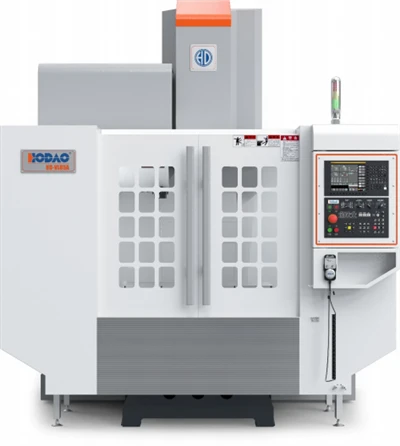
If you’re tired of wasting time on setup, fighting for floor space, or dealing with operators who struggle with your current mill, let’s talk. I can show you how a vertical machining center fits your specific jobs, run the numbers to prove it works for your budget, and even help with installation and training. No pushy sales talk, just real numbers from guys I’ve worked with, because I’ve been in this enough to know that the best machine is the one that makes your shop better, not just fills a spot on the floor.
Automatic Lathe References
- Machinery’s Handbook, 31st Edition, Industrial Press Inc., 2020.
- American Machine Tool Distributors’ Association, Vertical vs. Horizontal Machining Center Performance Report, 2022.
- National Association of Manufacturers, Small Machine Shop Operational Efficiency Study, 2023.
- Modern Machine Shop, “How VMC Design Cuts Labor Costs for Job Shops,” October 2021.
Taizhou Qiyang Trading Co., Ltd.
As one of the most professional vertical machining center manufacturers and suppliers in China, we’re featured by quality products and good price. Please rest assured to buy bulk vertical machining center for sale here and get quotation from our factory. Customized orders are welcome.
Address: Zhenhai Village, Binhai Town, Wenling City, Taizhou City, Zhejiang Province
E-mail: qycncmachine@outlook.com
WebSite: https://www.qycncmachine.com/
