Hey guys, it’s Jake from Garage Door Hardware—been in this game for over 10 years, and I’ll tell you, one of the most common calls I get is, “My garage door hinge is wobbly, it’s making weird noises, and I’m scared it’ll fall off mid-cycle.” Sound familiar? Trust me, you’re not alone. Loose hinges aren’t just annoying—they can mess up your whole door’s alignment, cause weird grinding, and even lead to bigger, pricier repairs down the line. The good news? Fixing a loose garage door hinge is way simpler than most people think. I’m walkin’ you through this step-by-step, no fancy tools needed, and I’ll throw in a few pro tips from my time selling hardware for doors. Let’s dive in. Garage Door Hardware
First off, let’s talk quick safety—can’t stress this enough. Garage doors are heavy, right? Even if it looks like they’re light, that spring system has a ton of tension. So before you touch anything, disconnect the door from the opener if you have one. Most openers have a manual release cord hanging down—just pull that, and the door should open smoothly by hand. That way, there’s no chance the motor kicks on while you’re workin’ on it. Also, pop on some safety glasses—you never know when a screw might strip or a part might fly, better safe than sorry. Oh, and move any cars, bikes, or toys out from in front of the door too—you don’t wanna accidentally drop something on it while you’re bendin’ over.
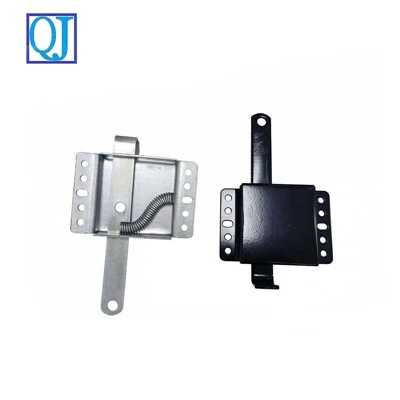
Now, let’s make sure we’re talkin’ about the right part. Hinges are those metal pieces that connect the individual panels of your garage door together—usually 1 per panel, except the bottom panel has a bottom bracket, and the top ones connect to the track. If you look, each hinge has numbers on it (like 1, 2, 3) that match the panel it’s on. Loose hinges are pretty obvious: wiggle the door panel gently, and if the hinge moves instead of the whole panel bein’ solid, that’s your target. Most of the time, this is from worn-out screws—wood or metal, hinges go through either the door’s frame or the track, and those screws can work loose over time from all the opening and closing.
Alright, tools you’ll need. You probably already have most of these in your garage. Let’s keep it simple: a Phillips-head screwdriver (sometimes a power drill with a Phillips bit makes this way faster, no muscle needed), a socket wrench if the hinge is connected to the track (those bolts are sometimes 1/4 inch or 5/16), a wire brush or a rag to clean up grime, and if the screw holes are all stripped or stretched out, a little wood filler (if it’s a wood door) or a toothpick + wood glue trick for metal or steel doors—we’ll get to that later. No need for fancy stuff, I promise.
Step 1: Get the door in the right position. You don’t wanna work on a hinge where the panel is sagging or the door is open all the way. The sweet spot is about halfway open—pro tip from me: use a pair of locking pliers to clamp the track on either side of the hinge you’re fixin’ so the door doesn’t slide up or down while you’re workin’. That takes all the pressure off, makes it way easier to tighten things without the door movin’ around. I see folks skip this step all the time, and they end up wrenching their back or scratchin’ the door—don’t do that.
Step 2: Tighten the existing screws first. Start with the obvious stuff—grab your screwdriver or drill, and tighten every single screw on that hinge. Wait, no—don’t crank ’em so hard they strip, obviously. Give ’em a good turn until they’re snug. A lot of times, this is all you need. But if the screw turns like it’s not gripping anything? That’s a stripped hole, which is the next issue. Here’s where it gets a little trickier, but still super doable.
If it’s a wood door’s frame, you can use a little wood filler. Just scrape out any old gunk from the hole, mix the wood filler according to the package, stuff it into the hole, let it dry for like 15 minutes (check the bottle, some take longer), then drive a new screw right where the old one was. That’ll give the screw something solid to grip into. If it’s a metal door or the hinge is connected to the track? My go-to trick is toothpicks and wood glue. Just cram a few wooden toothpicks into the stripped screw hole, snip ’em off flush with the surface, put a tiny drop of wood glue on each, let that dry for 10 minutes, then drive the screw back in. The toothpicks fill the extra space and make the hole tight again. Way cheaper than buyin’ replacement hinges right off the bat, and it works almost every time.
Wait, what if the hinge itself is bent? Sometimes loose hinges aren’t just about screws—if the door hit something (like a bike or a kid’s toy left in the garage, or even a car while pullin’ out), the hinge can bend, which makes it wobble even if the screws are tight. How do you check that? Hold a straight edge (like a yardstick or a long level) against the track and the door panel next to the hinge. If there’s a gap between the straight edge and the panel, that’s a bent hinge. Easy fix here: grab a pair of pliers and bend the hinge back straight. Just go slow, don’t overdo it—you don’t wanna crack the metal. Once it’s straight, tighten the screws back up, and that should take care of the wobble.
Now, let’s talk about when you should just replace the hinge instead of fixin’ it. Not every loose hinge can be saved, and that’s okay. Here’s the telltale signs: if the metal hinge is rusted all the way through (I see this a lot in places with high humidity, like near the coast), if it’s cracked, or if after you tighten all screws and fix the hole, it still wiggles. Rusted or cracked hinges are a safety hazard—they can snap while the door is open, which is a big risk. Also, if your hinges are old (like 10+ years), it might be worth replacing all of ’em while you’re at it, especially if you’re already in there. New hinges are cheap, and it’ll save you from fixin’ another loose one next month.
Speaking of replacing hinges—let’s walk through that real quick, just in case you need to. First, mark which hinge is which (don’t mix ’em up, the numbers matter for alignment). Loosen all the screws on the old hinge, and if it’s attached to the track, unscrew that bolt too. Pull the old hinge off, clean the area with a rag to get rid of dirt and rust, then line up the new hinge (make sure it’s the right size and number—we sell all types, so if you’re not sure, just send a pic to my team and we’ll hook you up). Put the screws back in, tighten ’em snug, and if it’s a track hinge, make sure it’s aligned perfectly so the door moves smoothly along the track. No gaps between the hinge and the track or panel, that’s key.
Now, a few pro tips from the hardware side that I’ve picked up over the years. First, don’t use regular wood screws for door hinges—use heavy-duty screws, like 1 1/2 inch or longer, that are made for garage doors. Regular screws are thin and can strip way easier, especially in wood frames. Second, lubricate your hinges once or twice a year—use silicone spray or white lithium grease, not WD-40 (WD-40 is more of a cleaner, not a long-lasting lubricant). Spraying a little on each hinge after you tighten or replace ’em will stop them from rusting and make the door open quieter. Third, check all your hinges every 6 months—this is a quick task, takes 5 minutes, and prevents big headaches. A loose hinge today can turn into a bent track or a misaligned door next month, which costs way more to fix.
Wait, let’s address a common mistake I see people make: over-tightening screws. They think if they crank it down as hard as possible, it won’t come loose, but that actually strips the screw hole or the hinge’s metal threads, making the problem worse. Snug is good—you should be able to turn the screwdriver with your hand, or a little force if it’s a stubborn bolt, but don’t use a breaker bar. That’s a recipe for damaged parts.
Another thing: if you have a double-wide garage door, make sure you check the middle hinges too—those take a lot of pressure when the door opens and closes, so they get loose way more often than the side hinges. I’ve had customers come to me sayin’ their door is lopsided, and it was just a loose middle hinge that they never checked.
Okay, let’s wrap this up. Fixing a loose garage door hinge isn’t brain surgery, but it’s important to do it right to keep your door safe and working well. Remember: disconnect the opener first, take your time, check for stripped holes or bent hinges, and don’t be afraid to replace the hinge if it’s rusted or cracked. If you try all this and the door is still making weird noises or won’t align, that might be a bigger issue, but 9 times out of 10, loose hinges are a quick fix.
If you’re not sure which hinge size you need, or you need heavy-duty replacement hinges, our team here can hook you up. We stock all standard sizes, including steel, stainless steel, and heavy-duty torsion hinges, so you get the right part for your door without guesswork. If you need help measuring or have questions about parts, just reach out. We’re here for homeowners, handymen, and everyone in between—no fancy hoops to jump through, just solid hardware and honest advice.
At the end of the day, maintenance is key for garage doors, and fixing small issues like loose hinges early saves you a ton of money and hassle down the line. Don’t wait until your door is jammed to take action—do the 5-minute check every 6 months, and you’ll be good to go for years.
If you need replacement hinges, hardware, or have any questions about fixing garage door parts, feel free to connect with our team for a quick chat about your needs. We’re always here to help.
Garage Door Hardware References:
Garage Door Safety Council. (2022). Home Garage Door Maintenance Guidelines.
International Door Association. (2021). Residential Garage Door Hardware Installation Best Practices.
DIY Garage Repair Hub. (2023). Step-by-Step Guide to Fixing Loose Garage Door Hinges.
Kunshan Qunju Metal Products Co., Ltd.
As one of the most professional garage door hardware manufacturers and suppliers in China, we have world-leading production equipment and strong manufacturing capabilities. Please rest assured to wholesale premium garage door hardware in stock here from our factory. We also accept customized orders.
Address: No.63, Jindong Road, Jinxi Town, Kunshan City
E-mail: Andycsyy@126.com
WebSite: https://www.topmhm.com/
