Let’s get this straight right out the gate—I’m the owner of a vape display supply company, and I’ve heard every take under the sun about vape hardware: “It’s impossible to fix,” “Everything’s disposable these days,” “You just toss it and buy new.” When it comes to vape displays specifically? I used to believe that too. Five years in, building, repairing, and customizing these units for vape shops from small boutique spots in rural Ohio to busy metropolitan locations in Texas, I’ve learned that the answer isn’t a simple “yes” or “no.” It depends on three things: what part you’re replacing, how the display was engineered, and who’s doing the work. Today, I’m breaking that down—no tech jargon, no corporate fluff, just real-world experience from someone who stands behind every single display we ship. Vape Display
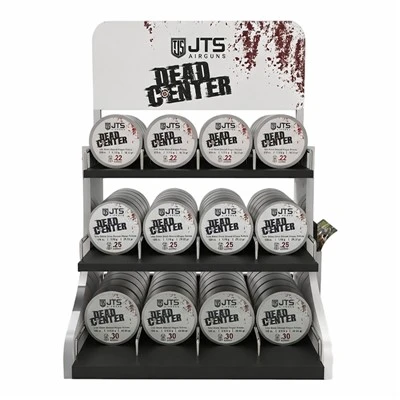
First, let’s clarify what we’re even talking about when we say “parts of a vape display.” These aren’t just the plastic stands you see holding a mod and a tank at the front counter. A functional vape display has a few core components, and not all of them are made the same. There’s the structural frame—usually aluminum or thick, food-grade plastic for durability. Then there’s the display lighting, most commonly LED strips, either wired into a small power adapter or a rechargeable battery pack. Next is the product mount: slotted plastic holders, magnetic attachment points, or even acrylic panels designed to cradle specific mod sizes. There’s also the display’s control unit, the little brain that adjusts brightness, syncs lighting to in-store music, or cycles through different product highlights. And finally, there’s the base, which houses the power supply and often has a storage compartment for extra pods or coils.
Early on, we sourced displays from overseas manufacturers that cut corners on parts. We’d get a batch where the LED strip burned out after three months, and by week six, the plastic mounts for box mods were snapping because they were made from thin, brittle PVC. Back then, replacing those parts was a nightmare. The LED strips were custom-cut for a specific frame, so we’d have to wait 12 weeks for a replacement shipment, and the plastic mounts weren’t sold anywhere separately—we’d have to fabricate them in-house, which ate into our profit and delayed repairs for shop owners. That’s why we shifted to in-house engineering three years ago: we wanted to make displays where every single part is accessible and replaceable, no special tools or custom orders required. So when I say whether replacement is difficult, the biggest factor is how the display was built in the first place.
Let’s start with the easiest parts to replace, because that’s where most people run into issues first: the lighting. If your vape display has a standard, universal LED strip—one that fits a 12mm channel, uses a common 5V power adapter—replacing it takes about five minutes. All you need is a small Phillips head screwdriver to pop off the plastic cover, unplug the old strip, plug in the new one, and snap the cover back on. But here’s the catch: a lot of cheap displays use custom LED strips with proprietary connectors, or they’re soldered directly to the power board, so you can’t just unplug them. Last year, a vape shop in Florida sent us a display that had a dead LED strip; their original supplier tried to charge them $80 for a “custom replacement” and said they’d have to ship the whole display back (a 1,200-mile round trip) to get it fixed. We sent them a universal LED strip, wrote up a step-by-step video guide (filmed on my phone, not a fancy corporate production—our go-to style here), and they swapped it out in 10 minutes. That’s the difference between a display built for repair and one built to be disposable.
Next up, product mounts. This is the part I get the most questions about, because display holders take the most abuse. Shop associates are always shifting mods to clean, customers yank tanks out too hard, and after a year or two, those plastic holders crack. If you have a display with slotted plastic mounts that are sized for specific product lines—say, a holder made exactly for a brand’s 80W box mod—replacing those can be tricky, but only if they’re proprietary. Our displays use modular mounts: we have three standard sizes for small tanks, medium mods, and large box mods, and each mount snaps into the frame with a simple press, no glue, no screws. If a mount breaks, shop owners can order a pack of 10 replacement mounts for $15, swap them out in 30 seconds each, and they’re good to go. But if your display uses one-off mounts molded for a specific product, you’re stuck. That’s when it’s difficult—you can’t find a replacement, so you either have to epoxy a broken mount back together (which never holds) or buy a whole new display. I’ve seen shop owners do that; they spent $300 on a new display because they couldn’t find a $1 mount replacement. That’s a preventable hassle, if you pick the right display supplier.
Now, the parts that are the most intimidating, and where people assume replacement is impossible: the power components and control units. The power adapter is the easiest of these—most displays use standard USB or AC adapters you can buy at any grocery store or hardware shop. If your power adapter dies, you don’t need a special one; just grab a replacement with the same voltage (usually 5V or 12V) and plug it in. The control unit is the tricky part, though. That’s the tiny box that dims the lights at night, cycles product displays, or syncs with Bluetooth for a shop’s speaker system. If it’s proprietary, soldered directly to the frame, that’s a headache. But our control units are modular too. We designed them to slide out of the base of the display, with a standard USB connector, so if it stops working, you can unplug it, plug a new one in, and keep going. Last month, a shop in Chicago had a control unit that died during a weekend sale—they ordered a replacement on Friday morning, and it arrived Saturday by priority shipping. They had the display back up and running by closing that day, no hassle. If we’d built that display with a soldered control unit, they would have had to wait a week for a technician to come fix it, or ship the whole unit back and lose sales in the meantime.
Of course, there are edge cases where replacement is difficult, no matter how a display is built. If a shop owner has a custom, one-of-a-kind display they had made for a grand opening—something with a wood frame, carved details, or a rare LED accent strip—parts might not be standard, so replacement can take time. Or if the display was damaged by physical trauma, like being dropped or knocked off a counter, sometimes the damage is to the frame itself, and aluminum frames can’t always be repaired easily. But even then, 90% of the time, we can fab a replacement frame part in a few days, no custom molding required, because we keep standardized frame profiles on hand.
I also want to talk about the misconception that all vape displays are cheap, disposable junk. Ten years ago, that might have been true, but the industry has changed. Vape shops need displays that stand out, that last, and that they can maintain on their own, without relying on a supplier every time something breaks. We started our company because we saw shop owners getting burned by suppliers who sold displays that looked good for three months, then fell apart, and refused to sell individual parts for repairs. So we built our entire model around service: we stock every replacement part for every display we sell, we send free step-by-step guides and short video tutorials with every order, and we don’t charge exorbitant fees for replacement parts—no $80 LED strips, no $100 control units. A replacement mount is $1.50, a replacement power adapter is $5, a new control unit is $25. That’s not gouging, that’s making something that works for people, not just making a quick sale.
Let me share a quick story that drives this all home. Last winter, a small vape shop in rural Kentucky reached out to me in a panic. Their display had been working for two years, and the LED strip burned out two days before a local craft fair they’d booked a booth for. They had no way to fix it, and they couldn’t afford a new display on short notice. I pulled a spare universal LED strip from our warehouse, shipped it overnight for free, and included a handwritten note that said “Should be up and running in 5 minutes.” They texted me a photo an hour later, of the display lit up at the fair, with a sign on it that said “Display parts repairable—no more buying new.” That’s the stuff that matters. That’s why building displays with replaceable parts isn’t just a nice extra—it’s good for small businesses, good for the planet (less e-waste from disposable displays), and good for the long-term relationship between us and the shop owners who trust us.
Now, I know some of you reading this are probably shop owners who have dealt with the frustration of broken displays and impossible replacement parts. Let’s be clear: if your display is built with proprietary, non-standard parts, replacing even the smallest component is going to be difficult, time-consuming, and expensive. But if you choose a display supplier that engineers their units with modular, standard parts, replacement is simple, fast, and doesn’t have to break the bank. It’s not that vape display parts are inherently hard to replace—it’s about intentional design. You wouldn’t buy a phone that you couldn’t replace the battery on, right? You’d choose a phone where you can swap out parts easily, and so should you choose a display that works for your business, not against it.
If you’re tired of displays that die when a light burns out, or you need replacement parts for a current display that’s giving you trouble, we’re here to help. We don’t do generic, one-size-fits-all displays, and we don’t leave you hanging when something breaks. Whether you’re looking to build a new display for your shop and want to make sure all parts are easy to replace, or you need a replacement part for a unit you already have, reach out to our team to talk through your needs. We’ll walk you through exactly what’s possible, no hard sells, no jargon, just real answers from people who work in this industry every single day.
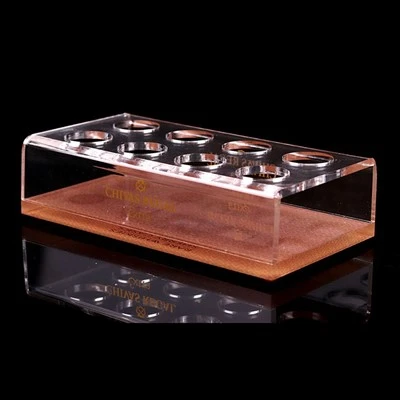
At the end of the day, vape displays are more than just stands for products—they’re the face of your shop. You need them to work day in and day out, and when they don’t, fixing them shouldn’t be a headache. That’s why we design every part of our displays to be accessible, replaceable, and easy to work with. It’s not rocket science, but it’s the kind of common-sense approach that’s missing from too many vape display suppliers these days.
Household Items References:
- U.S. Environmental Protection Agency. (2022). Electronic Waste Management: Reducing Disposable Product Consumption in Retail Spaces.
- National Association of Convenience Stores. (2021). Retail Display Design Best Practices for Small Business Maintenance.
- Vape Business Magazine. (2023). 2023 Industry Report: Durability and Repairability in Retail Vaping Hardware.
- International Organization for Standardization. (2020). Standard for Modular Retail Display Components: ISO 18600:2020.
Shenzhen Xingzhong Display Products Co., Ltd.
As one of the most professional vape display suppliers in China, we’re featured by quality products and good service. We warmly welcome you to buy customized vape display made in China here from our factory. If you have any enquiry about quotation and free sample, please feel free to email us.
Address: 80 Tangkeng Road, Biling Street, Pingshan District, Shenzhen, Guangdong Province
E-mail: leo@xzdisplay.com
WebSite: https://www.xzdisplay.com/
