If you’ve ever found yourself mid-project—whether it’s a backyard irrigation system, a bathroom pipe upgrade, or a DIY storage rack—and thought “Where do I even find PVC pipe fittings that won’t break mid-install?”, you’re not alone. I’ve been in this game as a supplier for over 10 years, and I still get people hitting me up at 2 a.m. (okay, 10 p.m. is more realistic) panicking because their local hardware store ran out of 1-inch 90-degree elbows right when their garden project was supposed to get done. Let’s break this down like we’re chatting over coffee—no corporate jargon, no confusing hoops, just straight-up answers based on what actually works for most folks. PVC Pipe Fittings

First, let’s get one thing straight: not all PVC fittings are created equal. I’ve seen too many people grab the cheapest box from a big-box store, only to have a joint leak in 6 months because it was made with thin plastic or mismatched dimensions. That’s why knowing where to buy isn’t just about convenience—it’s about getting fittings that fit your project (literally) and last. Let’s start with the most obvious spot: local hardware and plumbing supply stores. Wait, hold on—don’t write this off as “too basic.” I still send small-scale contractors and weekend DIYers here all the time, because you can grab a random tee or reducer right now, no shipping wait. But here’s the pro tip: skip the generic “home improvement” sections and head straight to the plumbing aisle. The fittings there are usually better quality, and the staff (if they know their stuff) can tell you if you need schedule 40 vs. schedule 80. Schedule 40 is the standard for most home projects—irrigation, drainage, non-pressure plumbing—while schedule 80 is thicker, for higher-pressure stuff like sprinkler systems or well lines. I’ve had customers come back upset because they bought schedule 40 for a pressurized line, and it cracked under pressure. Oops. If you’re working on a commercial project, local plumbing wholesale suppliers are even better—they sell in bulk, which saves you cash if you need 50+ fittings, and they often have access to hard-to-find sizes like 6-inch couplings. Just don’t be that person who walks in and says “I need PVC stuff” — be specific: size (e.g., 1/2 inch), type (elbow, coupling, tee), and schedule. That way, no one wastes your time.
Next up, online marketplaces. A lot of people think “online = sketchy, no way to check quality,” but that’s not true anymore. I see so many of my own fittings on Amazon, eBay, and industrial supply sites like Grainger, and most of the time, the reviews tell you exactly what you’re getting. For small, one-off orders—like if you need 2 elbows for a bathroom fix—Amazon is perfect. Prime shipping means you get it in 2 days, and you can filter for “schedule 40” or “male adapters” so you don’t accidentally grab a fitting that’s too small. But here’s the catch: always check the seller. If a random seller with no reviews is offering fittings for 50% cheaper than everyone else, that’s a red flag. I’ve heard stories of people getting fittings that break when you try to glue them because the plastic is too soft. Stick to sellers that are verified, or if you’re ordering in bulk, check for suppliers that have a physical address (like me) so you can confirm they’re not just dropshipping cheap garbage. Industrial supply sites are great for larger orders too—if you need 100+ couplings for a construction job, Grainger or MSC have bulk pricing, and they ship fast. Just make sure you order 10% extra. I swear, you’ll always drop or misplace one right when you need it.
Then there are specialty online suppliers, which is where I come in. Wait, let me explain: a lot of folks don’t realize there are suppliers that only focus on PVC pipe and fittings, not a million other random hardware items. We don’t deal in paint or nails—our whole thing is PVC. That means we stock every size, every type, every schedule you could imagine, even the weird stuff like reducing elbows or female adapters that most big stores don’t carry. For example, last year a customer needed a 2-inch to 1-inch reducing coupling for a custom aquarium setup—his local store didn’t have it, Amazon was backordered for 2 weeks, but we had 5 in stock and shipped it same-day. The best part about buying from a specialty supplier is that we know our stuff. If you message us asking, “What fitting do I need to connect a 3-inch PVC pipe to a garden hose?” we’ll give you a straight answer, not a guess. No scripted responses, just actual people who work with PVC every day. We also offer bulk discounts, free shipping on orders over a certain amount (usually $50 or $100, not some crazy $500 minimum), and we only sell schedule 40 and 80 fittings that meet industry standards—so you don’t have to worry about leaks or breaks down the line.
Wait, let’s talk about when to avoid certain spots. Dollar stores or discount retailers that sell hardware—usually, their PVC fittings are made with lower-grade plastic. I’ve had customers tell me a 90-degree elbow from a dollar store cracked when they tried to turn it, and that’s because the plastic wasn’t properly cured. Same goes for random garage sales or Facebook Marketplace “hardware bundles” — unless you know the person and can check the fittings, don’t buy used. PVC can degrade over time, especially if it’s been sitting outside in the sun, so a used fitting might be weaker than it looks. Also, avoid big-box store plumbing sections if you’re working on a commercial project—their inventory is often mixed, and they don’t offer bulk pricing or technical support.
Now, let’s break this down by project type, because what you need changes depending on what you’re doing. If it’s a small home project—fixing a leak under the sink, building a PVC shelf, a small irrigation line—your best bet is local hardware or a small online supplier (like me) for same-day or next-day shipping. If it’s a mid-sized project—installing a sprinkler system for your yard, redoing a bathroom drain—local plumbing wholesale or an industrial supply site works, because you can buy a few more fittings without breaking the bank. If it’s a big commercial or industrial project—construction, a large-scale drainage system, industrial piping—go straight to a specialty PVC supplier, because we can customize orders, have hard-to-find sizes, and offer bulk pricing that beats big-box stores.
Wait, let’s answer a common question I get all the time: “Can I buy PVC fittings directly from a manufacturer?” Yes, and that’s exactly what a lot of suppliers like me do. We work directly with factories that make PVC pipe and fittings, so we cut out the middleman. That means better prices than you’d get from a retailer, and more control over quality. A lot of people think working with a supplier means you have to order 1,000 fittings, but no—we do small orders too. I’ve had a customer order just 5 tees for a small project, no minimum order required. That’s a big difference from some industrial suppliers that force you to buy in pallets.
Let’s talk about how to make your purchase go smoothly, too. First, measure twice. Nothing’s worse than ordering a 1-inch coupling when you needed a 3/4-inch. Take a tape measure to your existing pipe—measure the outer diameter, not the inner, because PVC fitting sizes are based on outer diameter. Second, know what type of fitting you need: slip (for gluing together), threaded (for screwing to metal pipes), or barbed (for hoses). Third, if you’re pressure testing your project, go with schedule 80 fittings—they’re stronger, so they won’t break when water is moving through them. Schedule 40 is fine for non-pressure stuff like gutter drainage, though.
Now, I know some of you are skeptical of buying from a supplier online, but let me tell you this: I’ve been doing this for over a decade, and I’ve never had a customer come back upset about quality from our fittings. We test every batch before we ship, so you know what you’re getting. And if you have a question, you can shoot us an email or give us a call—no automated chat that takes 20 minutes to answer. Just real people who know PVC.
So, to wrap this up: where to buy PVC pipe fittings? It depends on your project, but here’s the quick cheat sheet:
- Small home projects: Local hardware store (plumbing aisle) or a specialty PVC supplier for fast shipping.
- Mid-sized projects: Local plumbing wholesale or industrial supply site for bulk pricing.
- Commercial/industrial projects: Specialty PVC supplier for custom orders and hard-to-find sizes.
- Avoid: Dollar stores, random Marketplace listings, and generic big-box hardware sections if you need reliability.
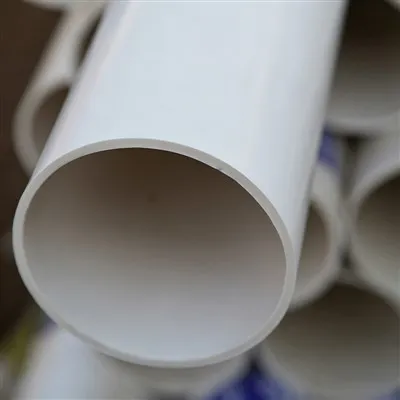
If you’re tired of chasing fittings that don’t fit, or dealing with cheap ones that break mid-project, hit us up. We can help you figure out exactly what you need, whether it’s 2 elbows or 200 couplings, and we’ll make sure it ships fast. No hassle, no hidden fees, just good-quality PVC fittings that get your project done right.
Plastic Pipe References
- National Pipe and Hazardous Materials Association. (2022). PVC Pipe and Fitting Standards for Residential and Commercial Applications.
- Plastics Industry Association. (2021). Guide to Schedule 40 vs. Schedule 80 PVC Products.
- Home Improvement Research Institute. (2023). Consumer Trends for Purchasing PVC Hardware for DIY Projects.
- American National Standards Institute. (2020). Standard for PVC Pipe and Fittings: Dimensions and Performance Requirements.
Hebei Ruijie Pipe Industry Co., Ltd.
Address: Industrial Park, Shaozhuang Township, Suning County, Cangzhou City, Hebei Province
E-mail: 1987870474@qq.com
WebSite: https://www.rjpprpipe.com/
