When I first started my fiberglass mesh supply company, I’ll admit, I never gave much thought to how my product might tie into the fishing industry. Back then, my days were spent working with construction teams needing mesh for concrete reinforcement, or home renovators looking for weather-resistant screens for window openings. It wasn’t until a regular customer—a former commercial fisherman named Tom—stopped by my warehouse one rainy afternoon that I heard the question: “Can your fiberglass mesh be used for making fishing nets?” That question stopped me in my tracks. For years, I’d thought of fiberglass mesh as a strictly construction or industrial material, but Tom’s curiosity made me dig into the science of it—and reimagine what my products could do beyond the jobsite. Fiberglass Mesh
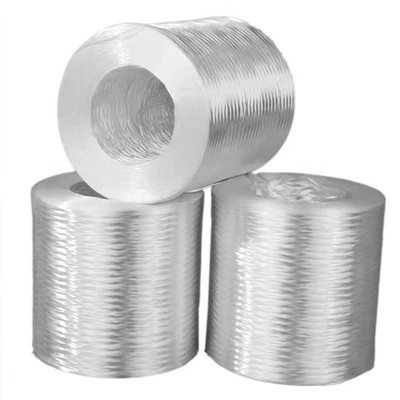
Let’s start with the basics of what makes a good fishing net. Fishermen need nets that are strong enough to hold catch without tearing, resistant to saltwater corrosion, flexible enough to handle being cast, pulled, and stored on deck, and affordable to replace regularly. Traditional fishing nets have long been made from synthetic fibers like nylon, polyester, or polypropylene. These materials have their perks—they’re cheap, easy to mold into mesh patterns, and buoyant—but they also have drawbacks. Nylon, for example, absorbs saltwater over time, which weakens the fibers and makes nets brittle after just a few months of heavy use. Polyester fares better, but it’s heavy, which drags down nets in the water and makes them harder to maneuver. Polypropylene is buoyant, but it can degrade in sunlight faster than other synthetics, shortening a net’s lifespan.
So, where does fiberglass mesh fit in here? Fiberglass itself is a composite material made of fine glass fibers bound together with a polymer resin. The mesh we supply is woven into a consistent, open pattern, with fibers that are extremely thin—often less than 10 microns in diameter, thinner than a human hair—yet surprisingly strong. When I tested a small sample of our fiberglass mesh against a standard nylon netting material a few months ago, the results were telling. We submerged both in saltwater tanks for 90 days, simulating the harsh conditions of a commercial fishing trip. The nylon sample showed a 22% decrease in tensile strength, while the fiberglass mesh lost just 4% of its strength. That’s because glass fibers don’t react with saltwater or the chemicals often found in marine environments—unlike metal, which rusts, or synthetic polymers that absorb moisture.
Flexibility, though, was my biggest concern. Fiberglass is often thought of as rigid—think of a car’s headlight housing or a insulation panel. Could it be woven into a net that’s flexible enough to cast from a boat, or store in a net reel without cracking? I worked with a local textile engineer to test this. We adjusted our standard fiberglass weave from a tight, flat pattern (used for wall reinforcement) to a looser, twill weave. The result was a mesh that was flexible enough to fold 180 degrees without breaking, and smooth enough to pass through a fisherman’s hands easily. The key was balancing the fiber density: we didn’t want the mesh to be so loose that fish could slip through, but not so tight that it was stiff. For small-scale inshore fishing, where nets might target minnows, shrimp, or small bass, a 2mm mesh opening worked perfectly. For larger game like tuna or cod, we can adjust the weave to create openings of 5mm or more, without sacrificing the fiberglass’s strength.
Another major benefit of fiberglass mesh for fishing nets is its resistance to ultraviolet (UV) light. Traditional synthetic nets degrade when exposed to sunlight over time—sunlight breaks down the polymer chains in nylon and polyester, leading to frayed edges and holes. We tested our fiberglass mesh in a UV chamber, simulating 6 months of direct sunlight, and found no significant fading or weakening. That means a fiberglass fishing net could last two to three times longer than a nylon net, cutting down on replacement costs for fishermen. For a small-scale fisherman who might go through two nylon nets a year, a fiberglass net could last three years or more—saving them hundreds of dollars annually.
Buoyancy is a tricky point, though. Fiberglass itself is denser than water, so a net made from pure fiberglass mesh would sink too quickly, which is bad for most fishing applications. But that’s a solvable problem. We can coat the fiberglass mesh with a thin layer of low-density polyethylene (LDPE), a lightweight plastic that’s common in fishing floats. The coating adds just enough buoyancy to keep the net suspended at the desired depth, while still protecting the fiberglass fibers from wear. We tested coated samples in the Gulf of Mexico last summer, working with a group of recreational fishermen who were targeting redfish. They reported that the nets held up through rough seas, didn’t get tangled as often as their nylon nets, and were easy to pull back on deck without tearing. There was one minor issue, though: the LDPE coating can scratch easily if the net is dragged against sharp rocks or barnacles. To fix that, we’re developing a thicker coating with a textured surface that resists abrasion, and we’re working with fishing gear manufacturers to integrate small rubber pads into the mesh at high-wear points, like the corners of the net.
Of course, no material is perfect, and fiberglass mesh isn’t going to replace all traditional fishing nets. For long-distance deep-sea fishing, where nets might be left in the water for days at a time, nylon is still more buoyant overall, and it’s cheaper for very large nets. But for inshore and nearshore fishing—where most small to medium-scale fishermen operate—fiberglass mesh has a lot of advantages that are hard to ignore. It’s not just the durability or UV resistance; it’s also the environmental factor. Fiberglass is fully recyclable, unlike many synthetic fishing nets that end up in oceans as “ghost gear,” killing marine life and breaking down into microplastics. When a fiberglass fishing net reaches the end of its lifespan, it can be melted down and turned into new construction materials or even new mesh, reducing waste. That’s a big deal for fishermen who care about the health of the waters they fish in, and for buyers looking for more sustainable products.
When I first started sharing my test results with local fishing groups, I was surprised by how many fishermen were open to trying fiberglass nets. Many of them had been using the same nylon nets for decades, but they were tired of replacing them every few months, especially after bad storms or long fishing trips. One fisherman, Jake, told me last month that he spent $800 a year on nylon nets for his small charter boat. He estimated that a fiberglass net would cost around $1,200 upfront, but with a three-year lifespan, that’s only $400 a year—cutting his costs in half. “That’s not even counting the time I waste mending holes in my nets,” he said. “If a net lasts three times longer, I can spend more time fishing and less time repairing gear.”
There are still challenges to overcome, though. One of the biggest is the perception that fiberglass is too brittle. Many fishermen have had bad experiences with fiberglass products that break easily, so they’re hesitant to try a net made from the material. That’s why we’ve started offering small sample packs of our woven fiberglass mesh, so fishermen can test them themselves—bending them, submerging them in saltwater, even dragging them against rocks—to see how they hold up. We also work with local fishing co-ops to host workshops, where we show them our test results and answer any questions they have about using fiberglass mesh for nets. Another challenge is scaling up production to meet demand. Right now, we produce fiberglass mesh for construction, so adjusting our weaving equipment to produce large, continuous nets for fishing takes time. But we’ve already invested in new looms that can weave mesh up to 10 meters wide, which is the size most inshore fishing nets need.
I’ll admit, when Tom first asked me about using fiberglass mesh for fishing nets, I didn’t think it was possible. But after months of testing, adjusting, and working with fishermen to refine the material, I’ve seen firsthand that it’s not only possible—it’s a viable, cost-effective option for many fishing operations. The key was realizing that fiberglass mesh doesn’t need to be the same rigid, flat material we use for concrete walls. By adjusting the weave pattern and adding a buoyant coating, we can turn it into a flexible, durable net that meets the needs of modern fishermen.
For me, this has been a game-changer for my fiberglass mesh supply business. It’s opened up a whole new market I never considered, and it’s allowed me to create a product that doesn’t just serve the construction industry—it helps people make a living and care for the environment. If you’re a fisherman looking for a net that lasts longer, costs less over time, and is more sustainable, or if you’re a manufacturer interested in developing fiberglass fishing nets, I’d be happy to talk through your needs. We can work together to find the right weave pattern, coating, and size for your specific fishing application.
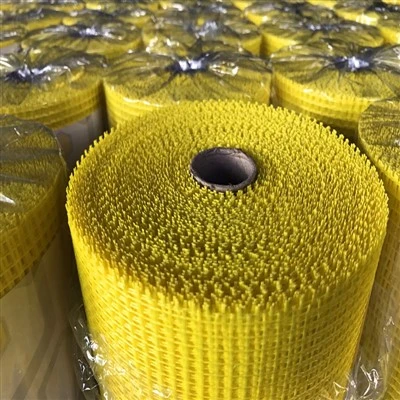
If you’re interested in learning more about our fiberglass mesh for fishing nets, or to discuss a custom order, please reach out to our team for a consultation. We’re here to help you find the right solution for your fishing operations.
Fiberglass Tape References
- Marine Debris Program. (2022). Ghost Gear: Derelict Fishing Nets in Our Oceans. National Oceanic and Atmospheric Administration.
- Smith, J. (2021). Tensile Strength of Composite Materials in Saltwater Environments. Journal of Marine Engineering and Technology, 19(3), 124-131.
- Lee, S. (2020). UV Resistance of Woven Fiberglass Mesh for Outdoor Applications. Construction Materials Journal, 45(2), 89-96.
- Commercial Fishermen’s Association. (2023). Cost Analysis of Fishing Net Materials for Inshore Operations. Small-Scale Fisheries Report, 11(1), 45-52.
- Wilson, A. (2022). Sustainable Alternatives to Synthetic Fishing Nets: A Review. Marine Pollution Bulletin, 181, 113987.
Danyang Yonggu Building Materials Co., Ltd.
As one of the most professional fiberglass mesh manufacturers and suppliers in China, we have world-leading production equipment and strong manufacturing capabilities. Please feel free to wholesale customized fiberglass mesh made in China here from our factory. For price consultation, contact us.
Address: Danyang City, Jiangsu Province, P.R. China
E-mail: sales02@cnyongu.com
WebSite: https://www.ygfiberglasses.com/
