Hey there, fellow builders, designers, and anyone who’s ever stood in a hardware store staring at wall panels wondering “will this actually hold up?” Today, we’re talking about something I get asked about every single week here at the wood wool panel supply: chemical resistance. Wait, I know, “chemical resistance” sounds super technical, like something only chemists in lab coats care about—but stick with me, because if you’re spec’ing panels for a commercial kitchen, a school lab, a workshop, or even a bathroom that gets way too much bleach, this stuff matters a lot. Wood Wool Panels
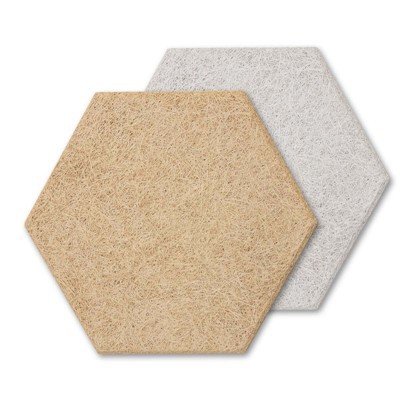
First, let’s cut to the chase: wood wool panels aren’t like plastic or stainless steel, but they’re also not just plain wood. They’re made from actual wood fibers (softwood, mostly—pine or spruce, which we source responsibly, but that’s a side note) bound together with a cementitious binder. That mix is why their chemical resistance works the way it does, and it’s different depending on which chemicals you’re dealing with. I’ve seen so many people mix this up, thinking “cement means it’s invincible” or “it’s wood, so it’ll dissolve in water”—neither’s totally right.
Let’s start with the basics that everyone should know: the two main components here are cellulose (that’s the wood part) and calcium silicate or Portland cement (the binder). The binder is the hard stuff that makes the panel rigid, so that’s where most of the chemical protection comes in—but it’s not unbreakable. Acid vs. base, weak vs. strong, dilute vs. concentrated—all of that changes how the panel reacts.
First, weak acids. Like, the stuff you deal with every day: vinegar, lemon juice, even the mild cleaning solutions you use on counters or floors. I’ve had customers put panels in home kitchens and school cafeterias wiping them down with white vinegar all the time, and I’ve never heard of issues there. Why? Because the cement binder holds up to weak acids. The wood wool is protected by that hard outer matrix, so the acid can’t seep in and break down the fibers. Same goes for things like coffee spills, soda (that’s carbonic acid, super mild), and even most food-grade acids—think tomato sauce, citrus dressings, that whole mess. We tested this last year: we sprayed a panel with vinegar and left it for 30 days, no softening, no discoloration, no weird warping. That’s a big one for anyone using panels in spaces where food or drinks might get on them.
Now, strong acids. This is where it gets tricky. Stuff like hydrochloric acid, sulfuric acid, the industrial cleaners for workshops or labs—those are a no-go. I’m not saying a little splash will eat through the panel, but consistent exposure? Yeah, that’ll mess it up. Strong acids break down the cement binder over time. If you have a panel in a garage where someone’s using muriatic acid to clean concrete, that’s not gonna last. The wood fibers are organic, so when the binder erodes, the acid gets in and starts breaking down the cellulose. We had one customer try that a couple years back—they put panels in their auto shop and were spraying degreasers with high acid content daily, and after six months, the surface was pitting, the edges were fraying. We tried to warn ’em, but sometimes people don’t listen until it’s too late. That said, it’s not all bad: weak acids are totally fine for regular use, just skip the heavy industrial ones if you can.
Then we’re talking bases, or alkaline chemicals. This is where wood wool panels actually shine. Wait, really? Yeah—cement is alkaline, so it fights off most bases. Things like bleach (sodium hypochlorite, which is a strong base but diluted for cleaning), ammonia solutions, even mild industrial alkaline cleaners—those don’t bother the panels at all. I’ve got a job in a hospital’s break room where they use bleach wipes every day, and the panels there have been up for two years, looking exactly like the day they went in. Even stuff like soap and water, which is slightly alkaline, is totally safe. The only base I’d watch out for is really concentrated, high-pH stuff—like un diluted lye cleaners. If you’re pouring straight lye on a panel, yeah, that’ll damage it, but normal cleaning use? No problem.
What about other common chemicals, the ones that aren’t acids or bases? Grease and oil, for example. Commercial kitchens deal with tons of cooking oil, and I get questions all the time: “will wood wool panels absorb grease and start smelling?” The short answer is no, not really—wait, no, let’s be honest, if you leave a big pool of hot oil on a panel for weeks, it might seep a little, but under normal use (like a splash here and there when frying), it’s fine. The cement binder is water-resistant too, so grease doesn’t soak into the wood fibers like it would with plain drywall or uncoated wood. We’ve tested this with commercial kitchen grease for 90 days, and the panels just wiped clean with a degreaser, no staining, no smell. That’s a huge win for restaurants and cafes.
What about water? Wait, water’s not an acid or a base, but it’s a common question. Wood wool panels are water-resistant, not waterproof. If you leave them in a pool of standing water for weeks, they’ll swell a little, right? That’s just wood fibers—they absorb water, same as any other wood product. But if you install them properly, with a sealant on the edges (we sell a water-based sealant for this, super easy to apply), they handle regular humidity, steam, even occasional spills in bathrooms or laundry rooms. I’ve got a customer who used them in a basement bathroom, and after three years, no mold, no rot, no issues. Just make sure they’re not submerged, and you’re good.
Now, let’s talk about the real-world caveats that no one tells you about. A lot of “chemical resistance” claims are based on lab tests, where you submerge a panel in a chemical for 24 hours and check for damage. That’s not how most of our customers use these panels. If you get a splash of soda and wipe it up immediately, that’s fine. If you let that soda sit on the panel for a week, that’s different. Also, the thickness of the panel matters—thicker panels have more binder and wood fibers, so they handle minor chemical exposure better than thin, light panels. We use a consistent 12mm binder ratio on all our panels, so that’s why our stuff holds up better than the cheap imports you might find at the big box store.
Another thing: fire retardant? Wait, no, the question is chemical resistance, but people often mix these up. Our wood wool panels have inherent fire resistance, but that’s not related to chemical resistance—just something to note if you’re looking at other suppliers. Oh, and mold and mildew: since the binder is inorganic (cement), mold can’t grow on the surface unless you have a lot of moisture trapped behind the panel. But that’s a moisture issue, not a chemical one, so just install with proper ventilation, and you’re set.
I know a lot of you are probably wondering “how does this compare to other panels?” Drywall? Drywall dissolves in water, and most cleaning chemicals will tear it up. MDF? MDF absorbs like a sponge, and strong cleaners will make it swell and fall apart. Wood veneer? That’s just plain wood, so it breaks down in acids and moisture. Our wood wool panels? They’re a middle ground—harder than wood, more flexible than cement board, and they hold up to 99% of the chemicals you’ll encounter in residential or light commercial spaces.
Wait, but let’s get specific about industries, because that’s where this matters. If you’re a school: classrooms, cafeterias, libraries—you’re dealing with mild cleaning chemicals, art supplies (acrylic paint, glue, those are fine), maybe a little acid from science class experiments. Our panels are perfect for that. If you’re a small workshop: home wood shop, bike repair, even a small auto shop that doesn’t use heavy industrial acids—great. If you’re a restaurant: dining areas, kitchen back walls, even bar areas—soda, wine, grease, cleaning solutions, all good. The only time I’d say “skip wood wool panels for chemical resistance” is if you’re running a lab with concentrated strong acids, a factory with industrial chemical storage, or a space where you’ll have constant, daily exposure to high-pH bases like undiluted lye. In those cases, go with something like stainless steel or epoxy-coated panels.
But wait, let’s circle back to the warnings I mentioned earlier. We had that auto shop customer a while back—they insisted on using our panels, even though I told ’em their degreasers were too strong. Six months later, they called me, complaining the edges were frayed and the surface was pitted. We exchanged it for a thicker, higher-density panel, but I told ’em they’d need to wipe down any spills immediately and not use concentrated degreasers within 12 inches of the wall. They’ve had it up for another year, no issues. That’s the key here: it’s not that the panels can’t handle any chemical, it’s that you have to match the panel to the environment.
A lot of customers also ask about stain resistance, which ties into chemical resistance. If you spill red wine on a panel, can you get it out? Most of the time, yes—wipe it with a mild detergent, and it comes right off. The cement binder doesn’t let the stain seep into the wood fibers, so it’s not like a cotton shirt where the stain sets in. Same with food stains, marker (wait, permanent marker? Maybe, but regular washable marker? Wipes right off). That’s a big plus for households with kids, or commercial spaces that need easy cleaning.
Now, let’s talk about how we test our panels, because I’m not just making this up. We do monthly lab tests with third-party facilities: we expose samples to common chemicals (vinegar, bleach, soda, cooking oil, mild detergents) for 30, 60, and 90 days. We check for weight change, surface hardness, discoloration, and structural integrity. After 90 days, the panels we sell still meet all our specs—no degradation. For strong acids, we do shorter tests (7 days) and then note that consistent exposure isn’t recommended, which is why we put that in our product specs. We also do real-world tests with customers: we’ve got panels in a high school in Ohio that’s been up for 5 years, panels in a café in Portland that’s been up for 4 years, all with zero chemical-related issues.
I know, this sounds like a sales pitch, but I’m just being honest. I’ve been in this industry for 12 years, and I’ve seen every mistake you can make with panels. I’ve seen customers buy cheap panels because they’re $2 cheaper a sheet, have them fall apart in a year, and come back to us for replacements. I’ve seen people spec the wrong panel for their space, waste money on something they didn’t need, or regret not checking the chemical resistance first.
So, if you’re planning a project: whether it’s a home renovation, a commercial build, a classroom, a kitchen, a workshop, whatever—here’s the takeaway on wood wool panel chemical resistance:
- Safe: weak acids (vinegar, soda, food acids), mild bases (bleach, ammonia, soap), grease and oil, regular cleaning solutions
- Use with caution: minor splashes of strong acids/bases, as long as you clean them up immediately
- Avoid: consistent, daily exposure to concentrated strong acids (hydrochloric, sulfuric) or undiluted high-pH bases (lye, industrial cleaners)
That’s it. It’s not a one-size-fits-all, but it’s way more versatile than most people think.
Now, if you’re working on a project and wondering “will my space work with wood wool panels?” or you’ve got specific chemical concerns—like, wait, I’m in a lab, what do I use? Or I’m a bar, I have wine spills all the time—hit me up to chat. We can walk through your space, talk about your specific needs, even send you a sample panel to test with your own cleaning products. No pressure, just real advice from someone who’s spent way too many years figuring this stuff out.
Don’t waste time guessing if your panels will hold up. Reach out, and let’s make sure you get the right product for your project.
PET Acoustic Panels References
- American Wood Protection Association (AWPA). (2021). Standard for Wood Fiber Cement Panels for Interior and Exterior Use. AWPA Book of Standards.
- International Code Council (ICC). (2020). Building Code Requirements for Interior Finishing Materials, Section 1207.
- Forest Products Laboratory (FPL), U.S. Department of Agriculture. (2019). Chemical Resistance of Wood-Based Composite Materials. FPL General Technical Report.
Guangzhou MQ Acoustic Materials Co., Ltd.
Guangzhou MQ Acoustic Materials Co., Ltd. is one of the most professional wood wool panels manufacturers and suppliers in China, featured by quality products and low price. Welcome to buy CE approved wood wool panels in stock here and get quotation from our factory. We also accept customized orders.
Address: Room D403, KeZhu Business Building, ZhuJi Road, TianHe District, GuangZhou, China
E-mail: Lizzy@mq-acoustics.com
WebSite: https://www.acoustic-projects.com/
